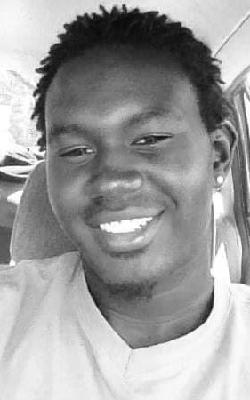
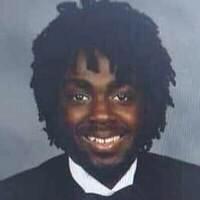
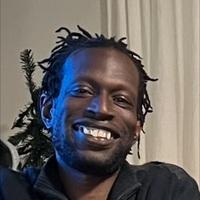
On a Sunday evening in late December 2014, 24-year-old Black man Don Eric Skinner Jr. was on Charleston’s peninsula when gunfire tore through the neighborhood near President and Line streets. Around 6:20 p.m., police were called to the scene of a shooting, where they found him critically wounded. He was rushed to the Medical University of South Carolina, but despite efforts to save him, he died from his injuries later that night.
The Charleston County coroner publicly identified him as Don Skinner the following day, confirming both his age and the location of the attack in the heart of the city.
News of his death traveled quickly through official channels, but what remained unclear even in those first reports was why the shooting had happened at all. Detectives began piecing together the final moments before the gunfire, canvassing the area around President and Line for witnesses and any clue that might explain who had pulled the trigger. Early statements from police made it clear that no suspect had been named or described; investigators said they were still working to identify who was responsible and urged anyone with information to come forward, directing potential witnesses to call Crime Stoppers. Those initial appeals to the public underscored how little was known beyond the bare facts: a young man shot on a city street, a frantic trip to the hospital, and a family suddenly left without him.
Away from the crime scene, the obituary written in his memory painted a fuller picture of the person behind the headlines. Don Eric Skinner Jr. was born on May 1, 1990, the son of Don Eric Skinner Sr. and the late Janice Alston Skinner. His death on December 21, 2014, was marked by a funeral service held at Rivers Funeral Home Chapel in Goose Creek, followed by burial at Brownsville Cemetery in Summerville, South Carolina. The notice lists a wide and intertwined circle of loved ones: his father; his young daughter, Alicia, living in Atlanta; his grandmother, Jannette Alston of Summerville; and three sisters, Marquita Tillman and Latasha York of Columbia and Shanequa Skinner of Charleston. A devoted girlfriend, Sydaria Maxwell, and close friends are remembered alongside a host of aunts, uncles, nieces, nephews, and cousins, suggesting a man woven deeply into his family’s life and community.
The obituary does not dwell on the violence that ended his life; instead, it frames his death as a moment of shared grief for those who knew him best, inviting mourners to leave messages in an online guestbook and to honor him with flowers and memorial tributes. On the National Gun Violence Memorial, his name appears among the many people across the United States lost to firearms on December 21, 2014, a stark reminder that his story is part of a much larger national toll.
Public reporting about the killing itself remains sparse beyond those early days. The available articles focus on the initial shooting, his transport to the hospital, and the coroner’s identification, noting that investigators were still working to identify suspects and asking for the community’s help. There are no widely published news accounts that document a suspect being arrested, charged, or brought to trial for Don Skinner’s death, leaving the official public record frozen at that early stage of the investigation. In the absence of later updates, what endures is the contrast between the brief, stark language of the crime reports and the richer, more personal portrait in his obituary—a young father and son whose life, family ties, and quiet everyday presence in Charleston were abruptly cut short on a winter evening, with unanswered questions still hanging over the street where he fell.