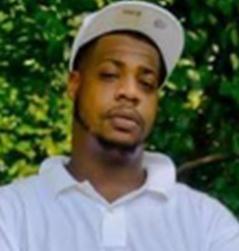
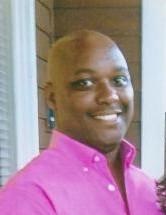
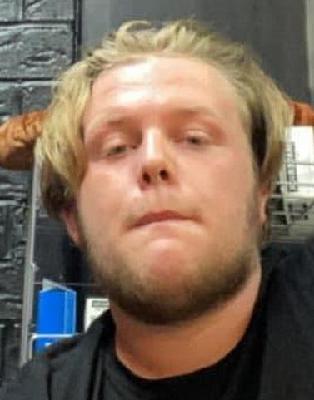
Stephen Braxton, a 42-year-old White male, lived on East Charleston Street in the small community of Elko in Barnwell County, South Carolina, where an ordinary Monday in late March 2020 turned into the night his life was taken. Late on March 23, 2020, deputies and emergency responders were called to his home. Inside the modest residence on East Charleston Street, they found Braxton gravely wounded. He was pronounced dead at 11:36 p.m.
at the house, his life ended by a single gunshot wound that the Barnwell County coroner, Lloyd Ward, quickly ruled a homicide.
News of the killing rattled the tight-knit Elko community. Neighbors suddenly saw their familiar street transformed into a crime scene under harsh emergency lights, with investigators combing the property and surrounding area for any clue that might explain who had come to Braxton’s home that night and why. With little information released to the public about what had happened inside the residence, speculation filled the gaps, but officials remained cautious, sharing only that the shooting was under active investigation as a murder.
From the outset, the Barnwell County Sheriff’s Office treated the case as a priority, calling for help from the wider public. The South Carolina Law Enforcement Division joined forces with local investigators, and Midlands Crimestoppers began circulating appeals that emphasized how crucial even the smallest bit of information might be. These notices repeated the core facts again and again: Braxton had been shot and killed in his own home on East Charleston Street in the Elko community, and investigators needed the community’s eyes and ears to move the case forward.
As months passed without an arrest, the frustration and urgency around the case grew. More than six months after the killing, The People-Sentinel reported that the Barnwell County Sheriff’s Office was offering a cash reward for information leading to the arrest and conviction of whoever was responsible for Braxton’s murder. The announcement underscored both the seriousness of the investigation and the painful reality that, despite months of work, detectives still lacked the crucial piece of evidence or witness testimony needed to name a suspect and bring charges.
Online, Stephen Braxton’s name became part of the broader record of lives lost to gun violence. A memorial page notes that he was killed by gunfire on March 23, 2020, in Elko, South Carolina, alongside thousands of other victims remembered with lit virtual candles and brief tributes. These quiet digital remembrances contrast sharply with the stark, unresolved questions still hanging over his death: who came to his home that night, what led to the fatal shot, and why no one has yet been publicly held responsible.
Years after the shooting, publicly available reports and law enforcement appeals continue to tell essentially the same story: Stephen Braxton was killed by a gunshot in his own residence on East Charleston Street, his death ruled a homicide, and investigators have repeatedly called on the community for help. There are no public records indicating that a suspect has been named, arrested, or brought to trial for his murder, and the reward notices remain some of the last official echoes of the case. In the absence of answers, his killing stands as an open wound for those who knew him and a lingering unsolved homicide in a small South Carolina town that still waits for justice.