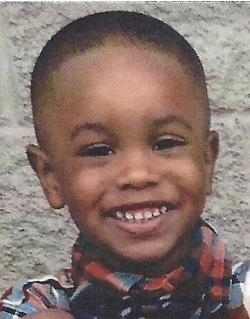
On May 31, 2015, a tragedy unfolded in Kansas City, Missouri, claiming the life of Amorian S.L. Hale, a 3-year-old African American male. The toddler was asleep in a first-floor bedroom of his family's home located in the 6700 block of Walrond Avenue when the residence became the target of a violent drive-by shooting. Around 10:00 a.m. on that Sunday morning, a vehicle passed the yellow two-story corner house, and an occupant opened fire with an assault-style rifle.
A fusillade of bullets penetrated the home, one of which struck Amorian in the head, killing him instantly. Although several other family members, including his parents and three other children, were present inside the house at the time, they were not physically injured during the attack.
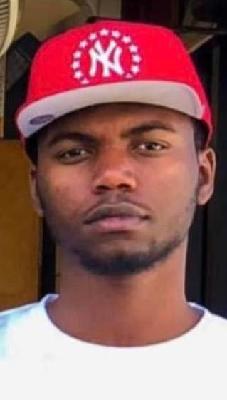
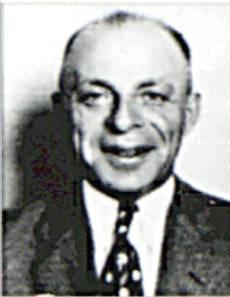
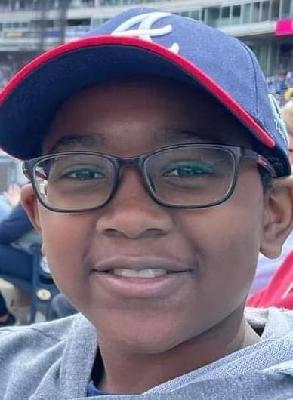
The investigation revealed that the shooting was an act of retaliation linked to an ongoing conflict. Authorities determined that the perpetrators believed someone connected to the killing of another man, D'Shawn Marchbanks, was located at the Hale residence. The drive-by was executed as revenge for D'Shawn's death, which had occurred months prior in Grandview. Police utilized various investigative techniques, including social media analysis and undercover operations, to identify the individuals responsible for the attack. The inquiry eventually led to the arrests of three men: SirTerry L. Stevenson, Dominique Marchbanks, and Sulif I. Wilkins.
Legal proceedings ensued for the three suspects, each resulting in different outcomes based on their roles in the crime. Dominique Marchbanks, identified as the shooter who fired the assault rifle from the passenger window, was found guilty by a Jackson County jury in October 2018. He was convicted of second-degree murder, unlawful use of a weapon, and armed criminal action. Consequently, he received a sentence of life in prison plus an additional 165 years. SirTerry L. Stevenson, the driver of the vehicle, pleaded guilty to second-degree murder, unlawful use of a weapon, and armed criminal action. In January 2019, he was sentenced to 15 years in prison. During his sentencing, Stevenson offered an apology to the victim's family, acknowledging that the loss of life should never have happened.
The third suspect, Sulif I. Wilkins, faced charges related to his involvement in the events leading up to the murder. Investigators established that Wilkins had visited the home shortly before the shooting and provided information that led the other assailants to the location. He pleaded guilty to second-degree involuntary manslaughter in October 2018 and received a four-year sentence, which was set to run concurrently with a separate federal sentence he was already serving for illegally possessing a firearm. The conclusion of these cases brought a measure of justice to the family, who had been left devastated by the senseless violence that took their sleeping child.