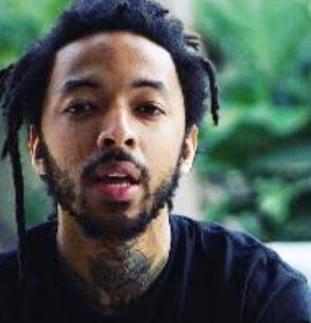
On the morning of July 8, 2017, the promising life of 24-year-old male Frank Elliott Raney Jr. came to a tragic and sudden end in southeast Kansas City, Missouri. Known to his friends and growing fan base as 'Frankie BTW,' he was a deeply creative spirit with aspirations of stardom in the music industry. He had recently released his first rap album and was in the early stages of launching a clothing line called 'Papi Chulo,' channeling his entrepreneurial energy into building a future for
himself. Friends and family described him as a dreamer with a distinct, infectious laugh—a young man who had successfully navigated his way through Center High School and briefly attended college before deciding to fully dedicate himself to his artistic passions. He was on the verge of moving to California to further his career, having already toured with major artists, when his journey was cut short.
Police were called to the scene near Bannister Road and McGee Street around 6:00 a.m. that Saturday, responding to reports of a shooting. Upon arrival, officers discovered Raney inside a vehicle, suffering from fatal gunshot wounds. Despite the immediate response, he was declared dead at the scene, leaving his tight-knit family and community in shock. The violence that claimed him occurred just as he was beginning to see the fruits of his labor, silencing a voice that many believed was destined for success. His death was one of dozens in the city that year, yet for his mother and siblings, the loss was singular and devastating, marking the end of a life filled with potential and the beginning of a long, unresolved search for answers.
In the years following the homicide, the investigation faced significant hurdles. Detectives collected substantial physical evidence from the crime scene, including the weapon, a bullet, fingerprints, and trajectory data from inside the car where Raney was found. Despite this collection of forensic materials, the case stalled when it reached the legal system. Investigators presented their findings to the Jackson County Prosecutor’s Office, identifying two individuals as suspects in the killing. However, prosecutors determined that the evidence was insufficient to secure criminal charges, leaving the case in a frustrating state of limbo. No arrests were made, and the individuals suspected of involvement remained free, with reports surfacing years later that a potential suspect may have relocated to St. Louis.
The lack of a conviction has left Raney’s family grappling with an open wound, compounded by the feeling that the justice system failed to act on the evidence provided. His mother has remained a vocal advocate for her son, regularly contacting detectives and keeping his memory alive through his music, which the family plays on his birthday and the anniversary of his death. While the case technically remains open, the absence of a trial or formal charges has denied his loved ones the closure they desperately seek, leaving the narrative of Frank Elliott Raney Jr.’s death as one of talent extinguished too soon and a legal process that could not bridge the gap between suspicion and accountability.