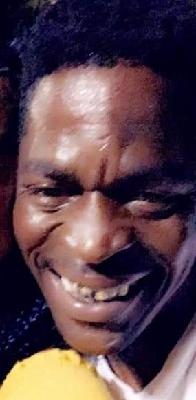
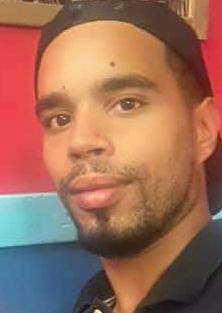
Rodney Mundy was only 22 years old when his life ended on September 13, 2017, in St. Louis, Missouri. He was a Black male, and the weight of that single line of information lands like a door shutting—because behind it are all the ordinary moments that never got to happen again, all the plans that didn’t get the chance to become real.
In the absence of more public detail, what remains is the human shape of the loss itself. A young man from St.
Louis, gone on a September day, leaving a silence that would ripple outward through family, friends, and anyone who loved him. The date becomes a marker people will carry—one of those days that divides life into before and after, the kind that shows up in conversations years later with a pause in the middle, as if the words still hurt to say out loud.
When someone dies this young, the mind can’t help but fill the empty spaces with the things that should have had time to unfold: more birthdays, more laughter, more chances to make mistakes and then make things right, more mornings that start out like any other and end with someone coming home. It’s hard not to imagine the streets and neighborhoods of St. Louis holding memories of him in small, invisible ways—a corner that meant something, a familiar route, a place where someone might still half-expect to see him walking up.
And then there are the questions that naturally follow a death like this, the ones that people repeat quietly to themselves when they’re alone, and louder when they’re pleading for answers: What happened? Who was there? Why did it end this way? With only the information provided here, there’s no name to attach to the cause, no clear thread of suspects, arrests, or courtroom outcomes to point to. Just the fact that he died—too soon—and that the world kept moving, even if the people who loved him felt like time stopped.
What matters, even in a bare outline, is that Rodney Mundy was not a statistic or a passing mention. He was a person with a voice, a presence, a history that stretched back long before that date in 2017. Grief doesn’t measure a life in headlines or in brief summaries—it measures it in the ache of absence, in the empty seat at a gathering, in the way a song or a street name can suddenly punch the air out of someone’s chest.
September 13, 2017, may be fixed in the record, but the impact of that day is not confined to it. It lives on in the people who remember him, in the stories that are still told, and in the quiet insistence that he deserved more time than he was given.