On the evening of August 25, 1969, in the small borough of Atlantic Highlands, New Jersey, 17-year-old Rosemary Calandriello left her family's home on Center Avenue. Her mother had given her two dollars to walk to a nearby store, just two blocks away, to buy milk and ice pops for their dinner. Rosemary, described as a shy and bookish girl who wore thick eyeglasses, was the youngest of four children and the only one still living at home. Her life was centered around her family, school, and the Scouts. When she left the house that evening around 6:00 p.m., she was wearing a blue and yellow sleeveless shirt, yellow shorts, and brown sandals. It was a simple errand, and she was expected to return within minutes, but she never made it back home.
Concern grew quickly, and Rosemary's mother reported her missing to the police just two hours after she was last seen. The investigation into her disappearance soon uncovered unsettling witness accounts.
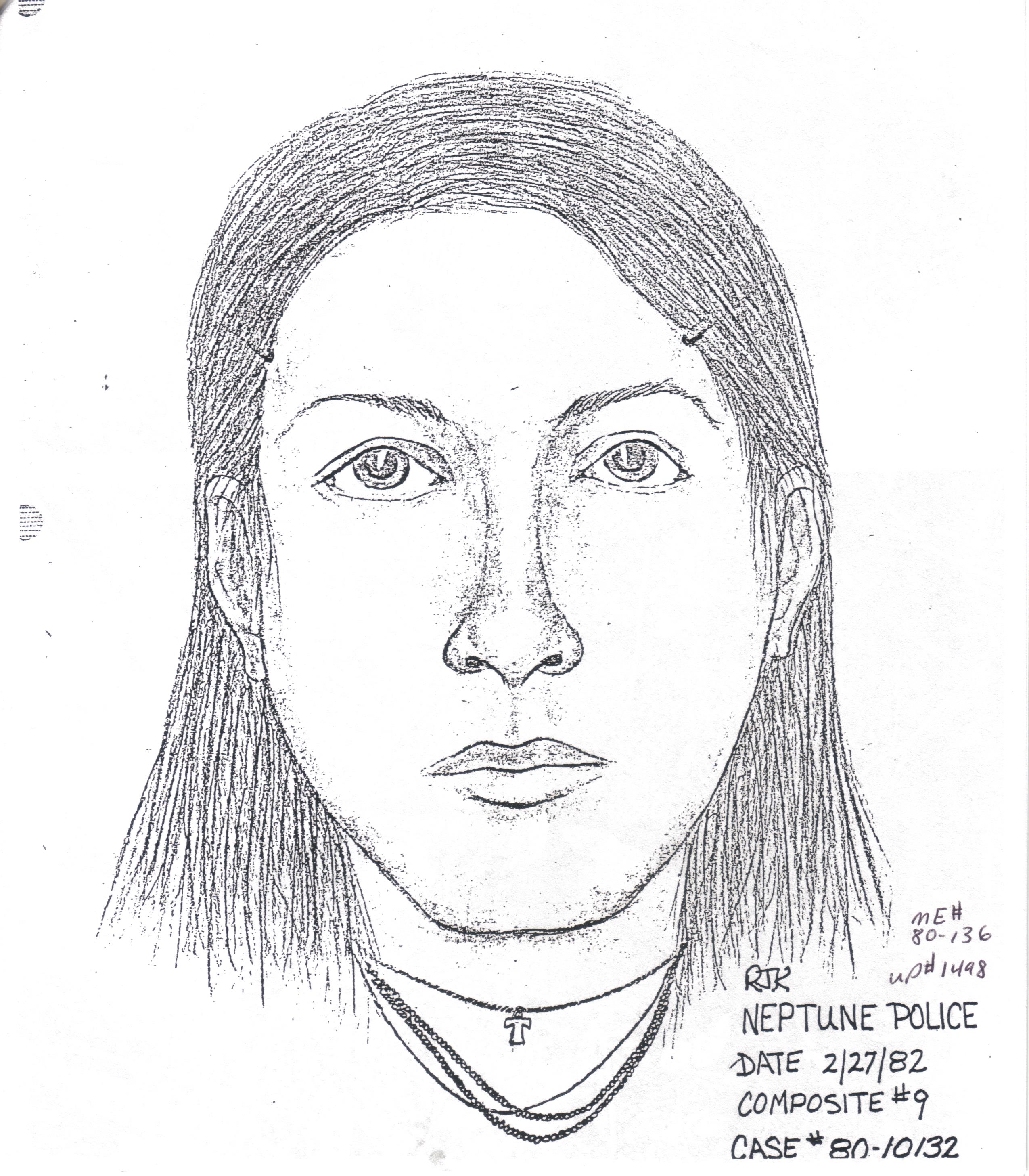
Four of Rosemary's schoolmates reported seeing her that evening in a beat-up white Ford Galaxie convertible with a man they didn't recognize. Based on their descriptions, a composite sketch of the man was created and circulated. The investigation took a more sinister turn when police connected the description of the car and the man to an incident that occurred just two days prior in the neighboring town of Leonardo. Two young girls reported that a man in a similar vehicle had tried to lure them into his car. The evidence, although circumstantial, began to point towards a horrifying conclusion.
The man in the white convertible was later identified as Robert Zarinsky, who would come to be known as a serial killer. In 1975, Zarinsky was convicted of Rosemary's murder, a landmark case in New Jersey as it was the first time a murder conviction was secured without the victim's body having been found. Over the years, Zarinsky's story about what happened to Rosemary changed. At one point, he claimed he had accidentally run her over with his car at a local lover's lane. Later, he boasted to an inmate that her body would never be found because he had thrown it into the Atlantic Ocean. Despite his conviction for her murder and his eventual death in prison in 2008 from pulmonary fibrosis, Rosemary's remains have never been recovered. Zarinsky was a suspect in several other murders of teenage girls in New Jersey. The case of Rosemary Calandriello is a tragic story of a young life cut short and a family left without answers, a painful reminder of the lasting impact of a predator on a quiet community.Last Seen: Aug 25, 1969