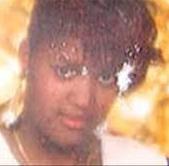
On a tragic day in October 2000, 25-year-old Tricia Nordman and her roommate, Andrew Cataldi, 24, were shot to death in the Indianapolis, Indiana home they shared with another couple. Tricia was a white female. The discovery of their bodies in a dumpster days later unraveled a story of mounting tensions and violence that would lead to two convictions, though questions about the case would linger for decades.
The couple they lived with, Sarah Jo Pender and her boyfriend, Richard Hull,
were quickly identified as the primary suspects. Investigators learned that Hull and Cataldi were involved in selling drugs from the home, and arguments over money had become frequent. On October 24, 2000, just hours after Pender had purchased a shotgun and ammunition, a final, fatal argument erupted between Hull and Cataldi. Hull later confessed that he shot and killed both Cataldi and Nordman during the confrontation. He claimed Cataldi had threatened his family. After the killings, Hull and Pender worked together to clean the bloody scene and then drove the victims' bodies to a nearby dumpster.
Richard Hull was arrested on October 27, 2000, and confessed to being the shooter. He ultimately accepted a plea deal and was sentenced to a lengthy prison term. Sarah Jo Pender, however, went to trial. The prosecution portrayed her not as a passive participant but as a cold, manipulative mastermind who coerced Hull into committing the murders, dubbing her a 'female Charles Manson'. Despite no direct DNA evidence linking her to the killings, testimony from a jailhouse informant and letters she wrote from jail were used to secure a conviction on two counts of murder. In 2002, she received a sentence of 110 years in prison.
Over the years, significant doubts have emerged regarding Pender's role as the orchestrator of the murders. Pender has consistently maintained that while she was guilty of assisting Hull after the fact out of fear and stupidity, she was not involved in planning or carrying out the shootings. Her case gained further notoriety when she escaped from prison in 2008, earning a spot on the U.S. Marshals 15 Most Wanted list before being recaptured months later in Chicago. In a remarkable turn of events, the very prosecutor who convicted her, Larry Sells, later came to believe she did not receive a fair trial, citing the discovery of a 'snitch list' that cast doubt on the credibility of key testimony against her. As of late 2025, Pender was seeking a modification of her sentence, acknowledging her role in the events following the murders but continuing to deny that she was the killer.