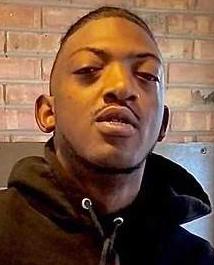
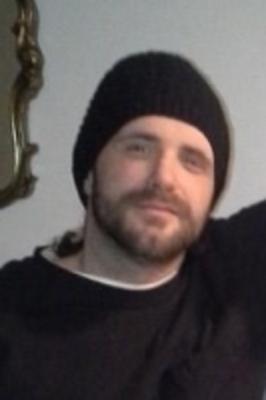
On the evening of July 2, 2020, in Lafayette, Indiana, 33-year-old Jacob Reynolds was riding his bicycle near the intersection of North 27th Street and Brown Street. Around 6:15 p.m., a vehicle driven by 31-year-old Ian Allen approached him. According to witness accounts and police reports, Allen pulled up alongside the cyclist and fired a weapon, striking Reynolds.
After the shooting, Allen exited his vehicle and stole two backpacks from Reynolds before fleeing the scene in his car.
Local law enforcement and emergency responders arrived shortly after the incident was reported. They found Reynolds suffering from a gunshot wound and immediately transported him to a nearby hospital for treatment. Despite medical intervention, the injuries proved fatal, and Reynolds passed away. The Lafayette Police Department launched an investigation, gathering descriptions of the suspect and his vehicle from witnesses at the scene.
Less than two hours after the shooting, officers located the suspect's vehicle parked at a Travel Lodge Hotel in the 4300 block of State Road 26 East. Police established a perimeter and subsequently took Ian Allen into custody in the hotel parking lot without further incident. At the time of his arrest, authorities believed the encounter was not random, though the specific motive for the robbery and shooting was part of the ongoing inquiry.
In the legal proceedings that followed, Ian Allen faced multiple serious charges related to the death of Reynolds. In August 2021, Allen entered a guilty plea to charges of aggravated battery, possession of a narcotic drug, and unlawful possession of a firearm by a serious violent felon. Additionally, he admitted to a sentence-enhancing count of being a habitual offender and using a firearm in the commission of the offense. As part of the plea agreement, prosecutors dismissed other charges, including murder, robbery, and theft. Tippecanoe Circuit Judge Sean Persin sentenced Allen to a total of 30 years in prison, with the stipulation that he must serve at least 22 years before being eligible for parole. Upon his release, he will serve two years of probation.