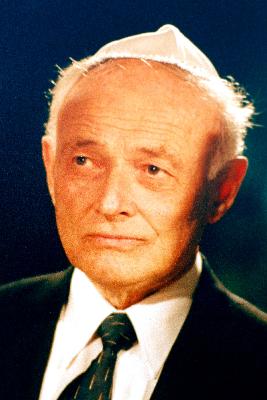
Gobichettipalayam Vasudevan V. Loganathan, an Indian-American professor, was in his element, teaching an advanced hydrology class in Room 206 of Norris Hall at Virginia Tech on the morning of April 16, 2007. Just a week after his 53rd birthday, the day would unfold into a tragedy that would cut short his life and the lives of many of his students. He was a male of Indian descent, a dedicated educator known for his kindness and wisdom among his students and colleagues in the Department of Civil
and Environmental Engineering.
That morning, a 23-year-old undergraduate student named Seung-Hui Cho, a South Korean citizen with U.S. permanent residency, embarked on the deadliest school shooting in U.S. history. Earlier, Cho had shot and killed two people in a dormitory. Two hours later, he made his way to Norris Hall, chained the entrance doors shut, and began a methodical and horrifying assault on the classrooms within. Professor Loganathan's classroom was his first target. Cho entered the room and first shot and killed the professor. He then continued to fire upon the students, killing nine and injuring two more in that room alone.
The rampage continued through other classrooms and a stairwell, leaving a trail of devastation. By the time police breached Norris Hall, Cho had taken the lives of 32 people and wounded 17 others with two semi-automatic pistols. As law enforcement closed in, Cho took his own life with a fatal gunshot to his head. The motive for his horrific actions remains largely inconclusive, though investigations into his troubled history revealed diagnoses of severe depression and an anxiety disorder. In 2005, he had been declared mentally ill by a special justice and ordered to attend treatment, though this did not prevent him from legally purchasing the firearms used in the attack.
In the aftermath, there was no arrest or trial, as the sole perpetrator died at the scene. The investigation focused on understanding Cho's background and the systemic failures that may have missed warning signs of his deteriorating mental state. A state review panel criticized the lack of communication between educators and mental health professionals who had interacted with Cho, as well as misinterpretations of privacy laws and gaps in the mental health system and gun laws. The university administration also faced criticism for its delay in notifying the campus about the initial shootings at the dormitory.