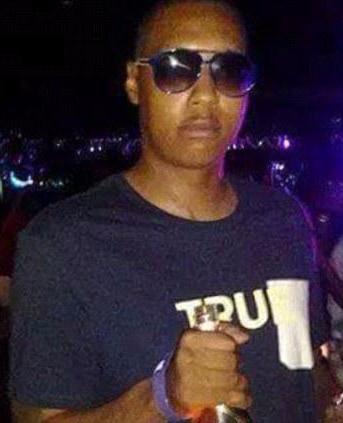
Darrel Spencer, a 20-year-old man, was killed on May 21, 2011, in Virginia Beach, Virginia, after a chaotic night that began inside a Lynnhaven Parkway nightclub called Hangar 9 and spilled into the parking lot of a nearby 7-Eleven.
By the time the club was shut down in the early morning hours, the mood outside had curdled into something volatile—arguments, skirmishes, and waves of people drifting across the street, drawn by bright lights and open asphalt.
The private security team working the club followed, trying to keep a lid on the disorder and to warn the lone clerk, but the scene only grew more crowded and frantic as fights erupted around the store and pepper spray was used to break up clashes.
Then came gunfire—rapid shots cracking from the direction of Lynnhaven Parkway, striking or ricocheting near the gas pumps and sending people scrambling for cover. In the confusion, a black Impala pulled close, and Darrel Spencer was among the occupants. What happened next unfolded in seconds: Spencer emerged with a shotgun, and in the swirl of shouting and fear, security company owner Lester R. Belmar Jr. fired at Spencer, striking him in the head and killing him instantly.
The violence didn’t stop with Spencer’s death. Accounts and court records describe Spencer firing the shotgun once, striking a car and injuring its driver as it tried to leave the lot, and they also describe the bullet that killed Spencer continuing into the Impala’s driver, Travis Baker, who survived but suffered a life-altering wound. Belmar later told investigators he could not say for certain that Spencer had a gun and admitted he did not actually see Spencer fire the shotgun, even as other evidence established that the shotgun had been fired.
Belmar was arrested and ultimately convicted in Virginia Beach court of second-degree murder and related charges, receiving a sentence structured to amount to fifteen years to serve. Years later, the case took a dramatic procedural turn: a federal judge found credible allegations that a plea deal had been kept from Belmar, leading to his earlier convictions being thrown out; Belmar then entered new pleas to involuntary manslaughter and unlawful wounding and received a 4½-year sentence—less time than he had already served—setting the stage for his release.