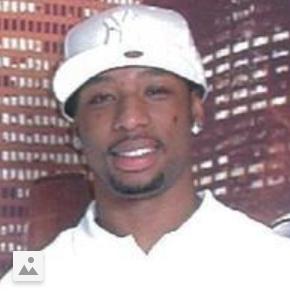
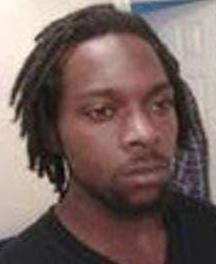
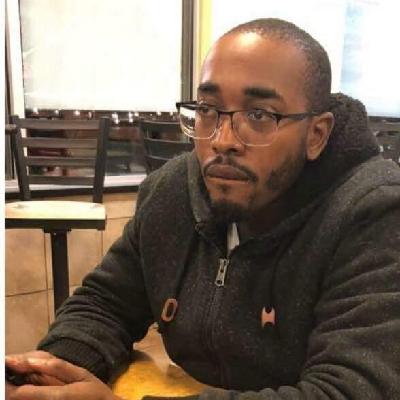
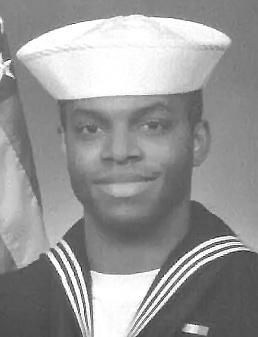
Tony Phelps, 47, was a man from Norfolk, Virginia, whose ordinary Thursday ended in sudden violence on June 19, 2014. In the Park Place neighborhood, police were called out in the early evening after reports of gunfire near the intersection of 35th Street and Colley Avenue. When officers and medics arrived in the 800 block of West 35th Street, they found him on the ground with gunshot wounds, still alive but fading fast. He was rushed to the hospital, where he was pronounced dead.
People nearby described the sharp, unmistakable rhythm of the shooting—three pops that some first mistook for firecrackers. Neighbors ran toward the sound and found Phelps facedown near the sidewalk’s edge. One witness called his name and watched him struggle to roll over, trying to look up even as his breathing turned thin and uneven. In the hours after the shooting, the scene along West 35th Street carried the stunned quiet that follows chaos, with residents replaying what they heard and saw, trying to make sense of how quickly a familiar face became a victim.
Those who knew him tied his last moments to the routine of service he kept at Park Place Methodist Church, where he often helped in the soup kitchen as a server or cook. Friends and coworkers remembered a personality that could fill a room—sometimes too much, they joked—but also someone who showed up and worked, the kind of regular presence that becomes part of a neighborhood’s muscle memory. They also said he hadn’t been in good health and had diabetes that, in their view, he didn’t consistently treat, leaving him worn down long before the bullets found him.
As the neighborhood searched for answers, investigators had little to offer publicly. Witnesses reported seeing a group of about ten people running west on 35th Street as Phelps lay bleeding behind them, but police did not release a description of the shooter. A day after the killing, there had been no arrests, and authorities said they were still working the case, relying on tips and whatever evidence the scene could provide.
One detail circulated among neighbors, adding another layer of uncertainty to an already murky picture: they said Phelps had a box cutter on him when his body was turned over. It wasn’t presented as an explanation—only as another fragment in a story that didn’t yet have a clear beginning or end. In the absence of named suspects or charges, the case lingered in the uneasy space between what the community witnessed and what investigators could prove.