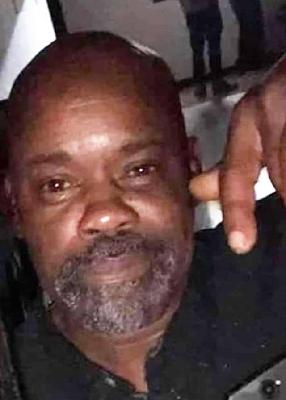
On October 20, 2014, in Hopewell, Virginia, Gary Elmo Lee, a 54-year-old man, was spotted by police driving along the railroad tracks on Western Street, a strange and dangerous route that immediately drew attention and set a tense day in motion. When officers moved in to stop him, he brought the car to a halt but refused to get out, shutting down every attempt to turn the encounter into a routine resolution and forcing police to hold the scene as minutes stretched into a full standoff.
Negotiators tried for more than an hour to convince him to step out and surrender peacefully, but the situation only grew more volatile. Police later described him as making threatening gestures toward the officers, and during the standoff he was also seen cutting into his own arm, a detail that underscored how unstable and self-destructive the moment had become. Near the end, he produced a black cane that officers believed was a gun, and the confrontation snapped from uneasy restraint into lethal force; officers fired, and he died at the scene. Hopewell’s police chief later characterized what happened as “suicide by cop,” saying Lee appeared to be pushing toward a fatal outcome and had even hoped to be struck by a train.
In the immediate aftermath, the focus shifted from the tracks to accountability and procedure. Three Hopewell police officers involved in the shooting were placed on paid leave while the Virginia State Police conducted an investigation. The case moved through official review rather than criminal booking: the investigative findings were turned over to the Hopewell Commonwealth’s Attorney for final consideration, and the officers were ultimately cleared, with no arrests or criminal charges announced against them in connection with Lee’s death.
But the story did not end where the shots were fired. Later that same day, Virginia State Police said Lee’s wife, Carol E. Lee, was found dead in the motel room the couple shared at the Value Inn on Jennick Drive in Colonial Heights, just off Interstate 95. Her death was described in reporting as a stabbing, deepening the tragedy into something larger than a single standoff and leaving a grim second scene behind the first—one discovered only after the confrontation in Hopewell had already turned fatal. The coverage available publicly at the time described the discovery and the investigation, but did not identify any arrested suspect or announce charges connected to her death in those reports.