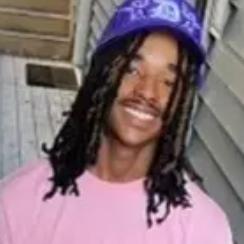
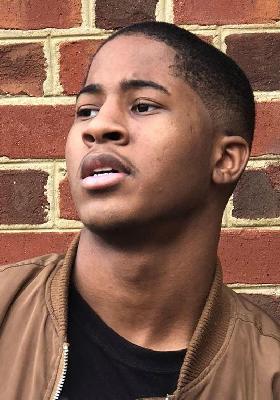
In the spring of 2017, a young man's life was tragically cut short in what was described as a devastating accident. Jaonta Wyche, a 20-year-old male, died on April 29, 2017, in his Chesapeake, Virginia, home. The cause of his death was a gunshot wound, which occurred under circumstances that blurred the line between horseplay and criminal negligence.
The incident unfolded in a residence in the South Norfolk section of the city, where Wyche lived with his roommate, Juan Perry.
The two friends were reportedly playing with a shotgun, believing the weapon to be unloaded. In a fateful moment, Perry pulled the trigger, and a shot that he did not expect to fire struck and killed Wyche. The sudden and violent end to a young life sent shockwaves through their community.
In the aftermath of the shooting, law enforcement officials began an investigation that would lead to legal consequences for the surviving roommate. Juan Perry, who was 21 at the time, was arrested and charged with voluntary manslaughter. While prosecutors acknowledged that Perry did not intend to kill his friend, they argued that his actions in pulling the trigger, even with the belief that the gun was empty, constituted a reckless disregard for human life.
The case concluded with Juan Perry facing the judicial system for his role in his roommate's death. He ultimately entered an Alford plea, a type of plea in which the defendant does not admit guilt but acknowledges that the prosecution has enough evidence to likely secure a conviction. Perry's plea agreement resulted in a suspended 10-year sentence, contingent upon his completion of a youthful offender program. This program was designed to keep him in prison for no more than four years while also providing vocational training, a resolution that reflected the tragic and unintentional nature of the crime.