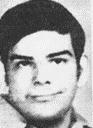
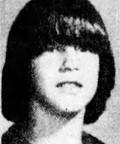
On a tragic late afternoon in Hackettstown, New Jersey, a day that would be etched in the community's memory, 19-year-old Jeffrey L. Gianquitti's life was cut short. On August 26, 1977, the young man, a White male, was riding his motorcycle near a railroad bridge when he became one of the first victims in a senseless act of violence that shattered the late summer peace. He was fatally shot in the heart, dying instantly at the scene.
The perpetrator of this horrific event was Emile Benoist, a 20-year-old resident of the same town. Armed with a. 44-caliber rifle, Benoist embarked on a deadly rampage along the Erie-Lackawanna Railroad tracks. His indiscriminate firing resulted in the deaths of five other individuals, creating a scene of chaos and disbelief in the small community.
The first reports of the shooting reached the Hackettstown police at 5:36 P.M., who arrived to discover multiple victims near the tracks.
What followed was a tense, hours-long manhunt for the gunman. As law enforcement closed in, Benoist continued his shooting spree, expanding his range to include the nearby Mansfield Township. He managed to evade capture for a time by hiding in a cornfield. The search culminated when a helicopter's lights illuminated his hiding spot. Faced with imminent capture, Benoist emerged from the cornfield and took his own life with a self-inflicted gunshot to the head.
The investigation that followed confirmed that Emile Benoist had acted alone in his deadly assault. With the perpetrator deceased, there were no arrests made in connection with the mass shooting, and no other suspects were identified. The case was closed, leaving a community to mourn the six lives senselessly taken that day. The incident left an indelible mark on Hackettstown, a somber reminder of a day of unexpected and devastating violence.