Tyrone Johnson, a 42-year-old Black/African American man from Camden, New Jersey, grew up with music woven into nearly every corner of his life. Born in Camden on October 18, 1942, he spent his childhood in nearby Chesilhurst after his parents moved there and opened a small nightclub called Al's Little Click along the White Horse Pike, a spot that served travelers and locals from the area's close-knit Black community.
At Overbrook High School in Pine Hill he joined the choir, earned recognition as an All-State tenor, and soon gathered like-minded classmates around him to harmonize at school events, parties, and weekend sets at his parents' club. That teenage group would become Tyrone & the Nu-Ports, the vehicle for a voice that could move effortlessly from doo-wop street corners to formal stages.
With the Nu-Ports, Tyrone stepped into the early 1960s Philadelphia–South Jersey music circuit at full speed. The group recorded “The Combination” backed with “Look At Her Eyes” for the Darrow label, then followed with “Feel Like A Million” backed with “On Saturday Night,” records that sold tens of thousands of copies locally and earned them steady work at record hops, clubs, and benefit shows across the region. Their harmonies and versatility took them from South Jersey dance halls to the Catskills resort circuit, where they could run through a repertoire said to span hundreds of songs, tailoring their set to older audiences as easily as to teenagers. The pinnacle came on June 9, 1964, when Tyrone & the Nu-Ports appeared at New York City's Carnegie Hall on a bill honoring Sammy Davis Jr., a surreal moment for a group of young singers who only a few years earlier had been rehearsing in a small-town nightclub.
Then, just as their momentum was cresting, tragedy struck. Not long after the Carnegie Hall appearance, four members of the group were involved in a devastating automobile accident on their way to rehearsal. First tenor Alex Lancaster was left paralyzed, second tenor Ronald Turner suffered injuries from which he later died, and the remaining members, including Tyrone, survived but carried physical and emotional scars. The accident effectively ended the Nu-Ports. The surviving singers, bound by a deep sense of brotherhood, could not imagine replacing their friends, and the dream of a full album—tracks already recorded, photos already taken—quietly faded into the background, existing only in unreleased tapes and scattered memories.
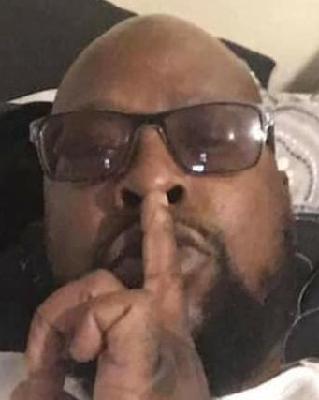
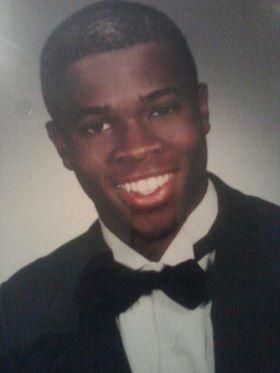
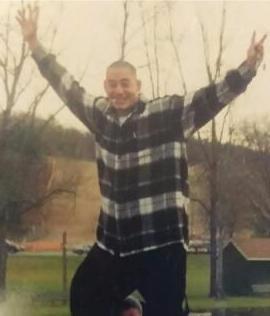
In the years that followed, Tyrone stayed close to music even as the spotlight dimmed. He transitioned into work as a disc jockey at several local radio stations, a natural fit for someone who understood both the technical craft of harmony and the emotional pull of a great record. Away from the studio, he built a family life; photos preserved by his relatives show him at a birthday celebration surrounded by his children, including his daughter Jaya, who would later become a singer herself. In those images he appears not as a performer or public figure but as a father in midlife, blowing out candles, smiling broadly, the decades of music and hard work etched gently into his face.
Two days before his next birthday, that life was cut short. On October 16, 1985, in Camden, Tyrone was found shot to death, killed by a single bullet to the chest. Records that list his case describe his death bluntly as “death by force” and note that he was lost to gun violence on that date in New Jersey. The quiet factual lines in those databases stand in stark contrast to the full, busy life they summarize: the boy from Chesilhurst singing at school functions, the young man fronting a group at Carnegie Hall, the disc jockey cueing up records for listeners who may never have known they were hearing the voice of a former teen idol.
What followed his killing was an unsettling silence. Contemporary accounts and later retrospectives on his life state that his murder was never solved; there is no public record of any arrest, named suspect, or prosecution connected to the shooting, and case summaries still describe the exact circumstances as undocumented. Decades on, advocacy and memorial sites continue to list him among unsolved homicides, inviting anyone with information to come forward, but offering no answers about who pulled the trigger or why.
Today, Tyrone Johnson's story survives in fragments: the crackling grooves of “Feel Like A Million,” discographies on collectors' sites, a detailed profile in a small-circulation harmony magazine, and tribute pages where relatives and music historians keep his name alive. Together they sketch the outline of a man whose voice once filled clubs, churches, and car radios, and whose death left a void that official records have never fully addressed. His case remains an unanswered question at the edge of Camden's history, even as the songs he led continue to circulate, carrying traces of the life that was taken from him on that October night.