On the morning of March 13, 2018, 34-year-old Willie Jackson, a Black/African American male from Newark, stepped into a day that looked like any other in the city’s West Ward until gunfire shattered the routine on the 100 block of Brookdale Avenue. Neighbors later told reporters they heard shots and then the abrupt, chilling silence that follows violence; when Newark police arrived shortly before 9 a.m., they found Jackson lying in a driveway, unresponsive and bleeding from gunshot wounds.
Emergency medical personnel pronounced him dead at the scene at 9:10 a.m., turning an ordinary residential block into an active homicide investigation ringed with crime-scene tape and squad cars. In official statements from the Essex County Prosecutor’s Office, he was publicly identified as Willie Jackson, 34, of Newark, though some memorial and case-tracking sites would later record his last name as Johnson, a discrepancy that has lingered alongside the unanswered questions about his death.
His killing did not happen in isolation; it was part of a grim sequence that unfolded over roughly 19 hours in Newark. The day before, around 1:20 p.m., gunfire at East Peddie Street and Frelinghuysen Avenue in the South Ward took the life of 32-year-old Joshua Roche, a resident of Tully House, a halfway house whose residents had been targeted in several previous homicides. Later that same night, on the 700 block of Dr. Martin Luther King Jr. Boulevard, 28-year-old Bloomfield resident Shahad Smith was gunned down with what officials described as an assault-style weapon, a killing that drew national attention when U.S. Senator Cory Booker publicly mourned him and insisted that his death “must matter.” By the time Jackson was shot the next morning on Brookdale Avenue, he had become the third man killed in less than a day, a cluster of daylight shootings that local coverage described as a frightening snapshot of Newark’s struggle with easy access to firearms and long-standing neighborhood tensions.
In the immediate aftermath of the Brookdale Avenue shooting, investigators from the Essex County Prosecutor’s Homicide/Major Crimes Task Force joined Newark detectives on the scene, canvassing the block for witnesses and collecting physical evidence while officers went door to door asking who had seen or heard anything unusual before the shots rang out. The official account described an unresponsive man in a driveway, no mention of a chase or confrontation, suggesting a brief, sudden encounter that ended almost as soon as it began. Legal-analysis commentary that later summarized the three linked shootings emphasized that the investigations were in their earliest stages and that police had not yet identified a suspect, a vehicle, or even a clear motive for why Jackson, in particular, had been targeted on that quiet stretch of street. As hours turned to days, appeals went out to the public through press releases and news segments, urging anyone with information to call a prosecutors’ tip line, but those appeals did not yield a publicly announced breakthrough.
News coverage in the days following the shootings dwelled on the sense of unease in Newark: three men dead in broad daylight, no clear pattern linking them beyond geography, timing, and the presence of guns. A regional television report noted bluntly that there had been no arrests in any of the three homicides, underscoring the frustration of residents who watched detectives come and go while the streets reopened and life resumed around the places where men had fallen. Legal bloggers, drawing on those same reports, stressed that law enforcement was still “attempting to identify the culprits” and that no suspects or motives had been publicly disclosed, even as they laid out what charges might follow if anyone were ever brought into custody. Taken together, the public record paints a picture of a case that moved quickly from active crime scene to lingering mystery, with the file still marked by the absence of a named suspect.
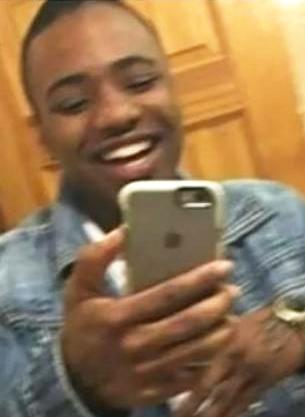
Online memorials help fill in fragments of who Jackson was beyond the terse language of police statements. On one national gun-violence memorial site, his name appears alongside the date and city of his death, with a photo contributed by loved ones and a simple note that he was lost to gun violence in Newark on March 13, 2018. Beneath that, relatives and friends have lit dozens of virtual candles and left brief, aching messages: a son saying that no words can express how much his father is loved and missed, someone else writing that they “miss you so much Willie,” and another voice promising love that continues beyond death. Those small tributes, along with details such as the note that he had two children and was remembered as loving and caring, sketch a quieter, more intimate story that runs parallel to the public one: a family left to grieve without answers, watching years pass while the official description of his killing remains largely unchanged. In the absence of any reported arrest or identified suspect, Jackson’s death remains part of a cluster of 2018 Newark homicides that, in the public record, are still described not as closed cases, but as open investigations waiting for someone to come forward with the truth about what happened on Brookdale Avenue that March morning.