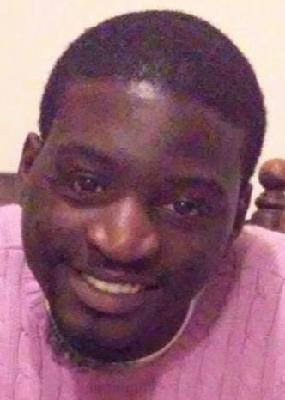
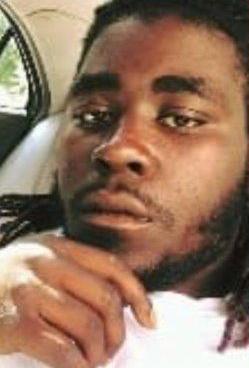
Ricardo Oneil Kirlew, a 26-year-old Black male from Newark, New Jersey, stepped into the late autumn night of November 10, 2020, unaware that his life would end along a desolate stretch of roadway near Interstate 78. Sometime before midnight, in the industrial quiet of Frontage Road, gunfire shattered the stillness. When help was finally called in, the situation was described as a simple pedestrian strike, the kind of tragic but mundane emergency that first responders confront all too often.
Shortly after 11:30 p.m., Newark officers were dispatched to Frontage Road near I-78 to check on that reported pedestrian accident. They arrived to find a man lying on the ground, gravely injured, with traffic and highway lights casting a harsh glow over the scene. At first, all anyone knew was that he had suffered severe trauma. Only as they looked closer and medical personnel examined him did the true nature of his injuries come into focus: he had been shot. What might have been written off as a tragic collision was abruptly recast as a killing, the pavement around him transformed from crash site to crime scene.
Despite the efforts of first responders, Ricardo was pronounced dead where he fell, and the call that began as a pedestrian strike became a homicide investigation. The Essex County Prosecutor’s Office took over the case, signaling that this was no longer just a local incident but a major crime under the scrutiny of county detectives and homicide specialists. Early reports made it clear that there were more questions than answers: who had fired the shots, why Ricardo was on that stretch of road at that hour, and whether anyone had seen or heard the attack in time to help. Investigators noted that no motive had been established, and there were no immediate suspects identified publicly in the days that followed.
As time passed, public records and case summaries continued to describe his death in stark, clinical terms: a shooting late at night along Frontage Road, initially misreported as a traffic incident and later confirmed as a homicide. Listings that track unsolved violent deaths in New Jersey still recount the basic outline of what happened, emphasizing the moment when officers realized they were not dealing with an accident but with gunfire that had taken a young life. These same records reiterate that, even years later, no arrests have been reported and no suspect has been officially named, leaving the investigation open and the circumstances of the shooting unresolved in the public record.
Away from the cold language of incident reports, mourners gathered to say goodbye. Funeral notices show that Ricardo’s body was prepared and honored through services held by Islamic Burial Services in Newark, with visitation and Janazah prayer held several days after his death before his interment in a nearby cemetery. Online memorial pages dedicated to victims of gun violence preserve his name and the date he was lost, surrounded by messages from friends and loved ones who light virtual candles and leave brief notes about missing him, remembering his presence, and trying to make sense of how quickly he was taken. In the official summaries of the case, he appears as a line in a database and a few sentences about a late-night shooting, but in those tributes, he remains a whole person whose story did not end neatly, and whose killer has yet to be brought to justice.