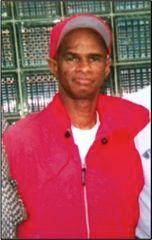
In the early morning hours of June 14, 1971, a horrific scene unfolded inside a house on Hazelwood Street in Detroit, forever altering the lives of eight individuals and leaving a lasting scar on the city's history. Among the victims of what would become known as the Hazelwood massacre was Romandel Burton, a 24-year-old African-American male. He, along with seven others, was found shot to death in what is considered the largest mass murder in Detroit's history.
The gruesome discovery was
made after neighbors reported hearing gunshots. When police arrived, they found a bloodbath. Seven of the victims, including Burton, were pronounced dead at the scene, all having been shot in the head at close range. The eighth victim was rushed to the hospital by his wife but ultimately succumbed to his injuries. The brutality of the crime was further emphasized by the fact that some of the victims had their hands tied with rubber surgical tubing.
Investigators quickly theorized that the primary target of the attack was Robert Gardner, a man identified as a heroin dealer and pimp. It was believed that a drug deal gone wrong, specifically a robbery involving two drug dealers from Toronto, had led to a contract being placed on Gardner's life. The prevailing belief among law enforcement was that Romandel Burton and the other six individuals were tragically in the wrong place at the wrong time, killed to ensure there would be no witnesses to Gardner's murder.
Despite the scale of the crime and the intensive investigation that followed, the Hazelwood massacre officially remains an unsolved case. The perpetrators of this brutal act have never been identified or brought to justice. Consequently, there have been no arrests, suspects publicly named, charges filed, trials held, or convictions secured in the death of Romandel Burton and the seven other victims, leaving their families with unanswered questions and a sense of unresolved grief. The case stands as a chilling reminder of a violent chapter in Detroit's past that has yet to find its conclusion.