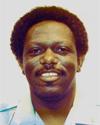
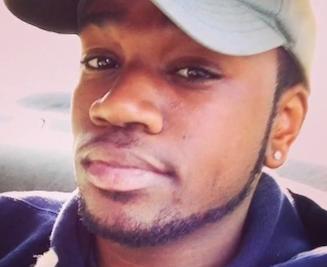
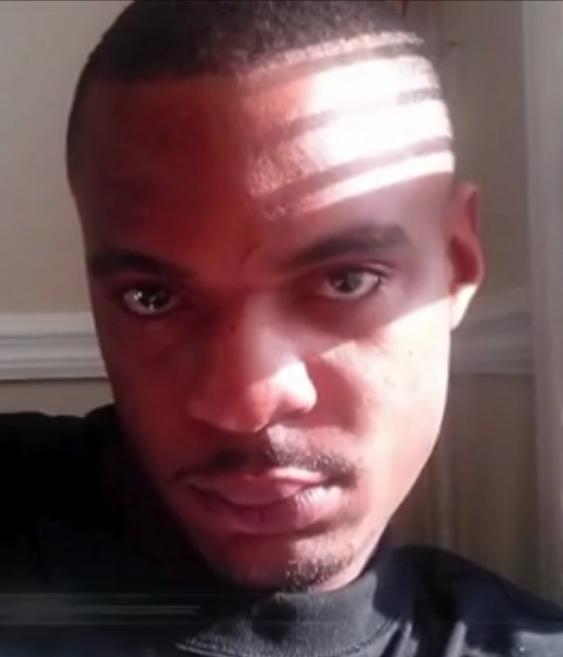
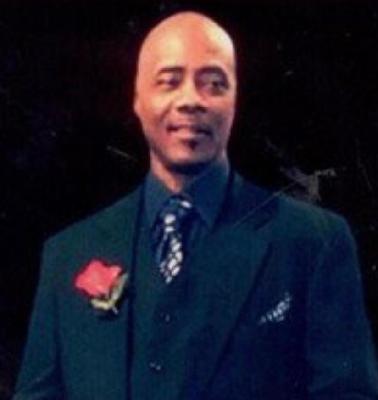
Franrico Aaron Hunter, a 33-year-old Black male from Inkster, Michigan, was lost to gun violence on a cold Saturday in late February 2014. On February 22 of that year, the brief public record shows his life ending in Inkster, his name entering the rolls of those killed with a gun that day and in that city, but offering almost nothing about the moments before the shooting itself. He had been born on June 16, 1980, and by the time of his death he was old enough to have built a life, to have people who would claim his body, write his name into obituary notices, and gather to mourn him, even if the official summaries reduce that life to dates and a cause of death.
In the public traces that remain online, Franrico appears less as a statistic than as a quiet absence. Memorial pages list him simply as “lost to gun violence” in Inkster, without describing where he was when the gunfire erupted, how many shots were fired, or what dispute or senseless encounter led to the trigger being pulled. There are no widely available news accounts that sketch his final hours or set the scene on a particular block or in a particular apartment; instead, his name is one among many on a national roll of people killed with guns on February 22, 2014, a line on a page that marks the day but not the story behind it.
What the record does show in a little more detail is what happened after his death. Funeral information preserved online notes that family and friends gathered on March 13 for a Mass at Holy Family Catholic Church on Annapolis Road in Inkster, the same city where his life had ended weeks earlier. From there, his body was taken to United Memorial Gardens, a cemetery off Curtis Road often described as being in the Plymouth area and situated in Superior Township, where he was laid to rest among rows of other graves. On a separate online memorial, candles accumulate beside his photograph as people return, year after year, to light another virtual flame in his name, a small sign that those who knew him continue to carry his memory even as the public details of his life remain largely unstated.
About the shooting itself, and about those responsible, the accessible online record is strikingly silent. The memorial and burial notices that mention him do not name a suspect, do not describe any arrest or charges, and offer no hint of a trial or conviction tied to his death. If investigators ever identified and prosecuted the person who pulled the trigger, those proceedings have not left an easily found public footprint in the sources now available. From the outside, what remains is the outline of a case: a man from Inkster killed by gunfire at thirty-three, a funeral Mass and a grave in a Michigan cemetery, and an unanswered question lingering behind his name about who ended his life and whether they were ever made to answer for it.