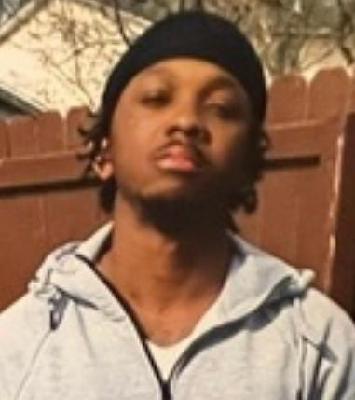
Jermaine Moore, a 35-year-old Black man from Flint, Michigan, was killed on the evening of May 27, 2015, when a gathering meant for remembrance turned suddenly violent. People had come together near the intersection of Witherbee Avenue and Avenue A around 8:40 p.m., a memorial service unfolding in the open air and drawing friends, neighbors, and mourners into the same small space.
In the tense mix of cars, voices, and emotion, authorities later said the spark was mundane—an argument over a parking space—yet it was enough to tip the moment into tragedy.
What happened next, investigators alleged, was swift and unforgiving. Shots rang out, and Moore was struck and died as the scene fractured into panic. Police publicly named Dominick Wright as the primary suspect and said the case was not limited to a single victim: they listed open murder along with three counts of assault with intent to murder, plus multiple weapons-related charges, including felon-in-possession counts and felony-firearm allegations. The charge list painted a picture of a shooting that endangered others in the crowd, turning a vigil into a place people fled from instead of gathered in.
As the search intensified, a second name surfaced in the aftermath. Tauteece McCaskill turned herself in and was arraigned on accusations tied not to pulling the trigger, but to what happened after—charged as an accessory after the fact and also accused of carrying a concealed weapon in connection with the homicide. While Wright remained at large, authorities described him as wanted and urged the public to call police or Crime Stoppers with any information about his whereabouts.
Months passed before the manhunt ended far from Michigan. In early November 2015, Wright was arrested in Tulsa, Oklahoma, after a tip—reported as coming through Crime Stoppers—helped lead police to him, closing the distance between the killing and the suspect’s capture by more than nine hundred miles. By then, the death at the Flint memorial had hardened into a case file with names, charges, and a long legal road ahead, one that carried Moore’s killing from the street corner where it happened into courtrooms where strangers would later be asked to weigh what they believed.
Years later, that legal road did not deliver the clean ending people often expect. The case stretched on, and after two trials that ended in hung juries, the murder charge was ultimately dropped against the man accused in the fatal 2015 vigil shooting—an outcome that, for those who had stood in that crowd and those who loved Moore, meant the story closed not with a verdict, but with the heavy, unresolved silence that sometimes follows when a courtroom cannot speak with one voice.