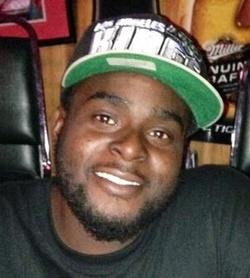
Michael Douglas Smith was 74 years old, a White man, and in the earliest hours of June 26, 2021, his life was taken in a way that still feels hard to hold in the mind: gunfire cutting through the quiet of a sleeping neighborhood and into the place where a person should feel most protected. It happened on Flint’s northeast side, on the 2500 block of Thom Street, at a time when most houses are dark and the world seems paused.
Police were called around 4:00 a.m., and when they arrived they found him suffering from a gunshot wound. There was no time to turn the night back or undo what had already been done. He was pronounced dead at the scene.
The violence wasn’t described as a confrontation in the open, but as something delivered from the street, a drive-by shooting that reached into the home and turned a private moment into tragedy. The image of it lingers because it is so unsettlingly ordinary on the surface: a man asleep, a home settled into stillness, and then the sudden crack of shots that don’t belong there. Reports described him as being shot while he slept, struck without warning in his own bed. Whatever the motive, whatever the intended target or message, the impact was brutally simple—someone fired, and Michael Douglas Smith did not get to wake up to another morning.
In the wake of a death like that, people are left with the sharpest kind of silence: not only the absence of the person they loved, but the absence of answers. Those who knew him were forced to reckon with two realities at once—the tenderness of what he meant to them, and the coldness of how he was taken. He wasn’t just a name in a report. He was a husband and a father, woven into the routines of family life, into the small traditions and the larger memories. He was also remembered as a Vietnam veteran, someone who carried a chapter of history inside him, and who returned home to build the kind of life that is measured not by headlines but by devotion.
The details shared about him paint a picture of a man with patience and a thoughtful spirit. He loved chess enough to teach it to his children and grandchildren, passing down not only the rules of the game, but the quiet lessons that come with it: how to think ahead, how to stay calm, how to accept loss and keep going. He also authored two books, leaving behind work that speaks to the part of a person that wants to be understood, to share something lasting. And behind everything else was the center of his world—his family—his wife, his children, and a wide circle of grandchildren and great-grandchildren, all of them suddenly thrust into grief that arrived like a storm in the middle of the night.
As time moved forward, what did not move forward—at least publicly—was certainty about who did it and why. The information provided indicates that investigators continued to treat the killing as an open case, with renewed appeals for help and information. More than a year after his death, there were public efforts to bring attention back to what happened, including calls for tips and the promise of a reward for information that could lead to an arrest. In that long stretch between the crime and any resolution, families live in a difficult in-between: each day carrying the same loss, each new season arriving without the one person who should have been there to see it.
There is a particular ache in cases like this, where the story ends for the victim but continues for everyone else—waiting, remembering, hoping that someone, somewhere, knows something. Someone may have heard a car in the dark, recognized a pattern, seen a figure, or been told a truth in a moment of carelessness. Sometimes the smallest detail becomes the thread that pulls everything into the light. Until that happens, Michael Douglas Smith is remembered not just for the way he died, but for the life he lived: a veteran, a teacher of chess and quiet wisdom, an author, and a family man whose absence is felt in the everyday moments that used to include him—an empty chair, a missing voice, a space that no amount of time can fully fill.