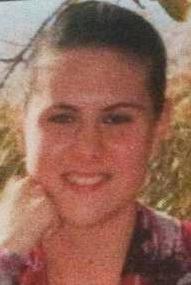
On a summer afternoon, 31-year-old Alexandra Nicolette Brueger, a female registered nurse, was on her daily 10-mile run along a familiar dirt road in Rose Township, Michigan. It was Saturday, July 30, 2016, and what began as a routine exercise ended in a tragedy that continues to baffle investigators and her community. As she jogged on Fish Lake Road, she was shot multiple times in the back. A resident of a nearby home heard the gunshots and saw Brueger stumble into his yard before collapsing.
He immediately called 911 while a neighbor attempted to render aid, but her injuries were too severe, and she was later pronounced dead at the hospital. The senseless act of violence cut short the life of a woman described by her family as kind, thoughtful, and witty, who was pursuing a master's degree in creative writing, a passion she balanced with her nursing career at Providence Park Hospital in Novi.
The investigation into her death, which was quickly ruled a homicide, has been fraught with challenges. The rural nature of the area meant there were few witnesses and a lack of surveillance footage. Investigators have explored various leads and theories over the years. Early in the investigation, Michigan State Police indicated that evidence from the crime scene suggested Brueger may have known her attacker. This led to speculation and focus on those close to her. At one point, a person was taken into custody but was later released. Her former boyfriend was also questioned and denied any involvement in her death. Police have also considered the possibility of a random act of violence or a failed abduction, given her small stature. A recurring detail in the investigation is the mention of a suspicious white or light-colored four-door sedan seen in the area around the time of the shooting.
Despite hundreds of tips and ongoing efforts by law enforcement, the murder of Alexandra Brueger remains unsolved. Her family has been vocal in their quest for justice, frequently making public pleas for any information that could lead to an arrest. Over the years, various rewards have been offered by organizations like Crime Stoppers and the Bureau of Alcohol, Tobacco, Firearms and Explosives in the hope of encouraging someone to come forward with the crucial piece of information that could solve the case. Years after her death, her parents revealed that investigators now believe she did not know her killer, a shift from the initial theory. This change in perspective has renewed calls for the public to reconsider any unusual or seemingly insignificant details they may have witnessed on that tragic day. The case remains an open and active investigation, a painful mystery for a family and community still seeking answers.