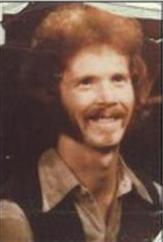
In the autumn of 2016, the life of Montel Kenyatta Wright, a 45-year-old male, was brought to a violent and tragic end in his own home on East Bundy Street in Flint, Michigan. On the evening of October 23rd, the sound of rapid gunfire shattered the neighborhood's peace. When police arrived, they discovered Wright had been shot multiple times, sustaining wounds to his chest, abdomen, and calf. He was rushed to Hurley Medical Center, but succumbed to his injuries on October 24, 2016.
At the scene of the crime, investigators recovered nine shell casings, all fired from the same weapon, painting a grim picture of the final moments of his life.
The investigation into Wright's murder led authorities to a suspect, Montario Marquise Taylor. Witnesses came forward with crucial testimony, stating they had seen Taylor enter Wright's residence shortly before the fatal shots were fired. They recounted hearing a volley of gunshots, followed by Taylor leaving the house, only to return moments later, after which more shots rang out. This chilling account provided a timeline for the brutal attack that claimed Wright's life. Despite the absence of the murder weapon and direct forensic evidence tying Taylor to the crime, the compelling witness statements and the ballistic evidence were pivotal in building a case against him.
In 2019, Montario Marquise Taylor stood trial for the murder of Montel Kenyatta Wright. The prosecution presented the evidence gathered by law enforcement, focusing on the witness testimonies that placed Taylor at the scene. The jury found the evidence convincing and convicted Taylor of first-degree premeditated murder and felony firearm charges. For his crimes, he was sentenced to a mandatory life sentence in prison without the possibility of parole. Though Taylor would later appeal his conviction, the courts have consistently upheld the jury's verdict, ensuring that the man responsible for the violent death of Montel Wright would remain behind bars.