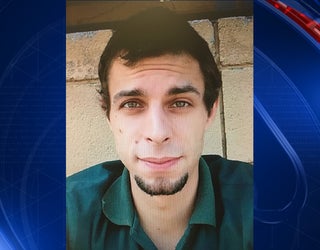
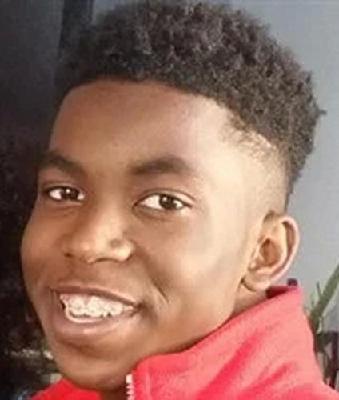
In the fall of 2017, a fishing trip to northern Michigan took a tragic turn for Broderick Ward, a 42-year-old man from Inkster. Ward had traveled to the Fife Lake area in Kalkaska County, telling his family he was going on a fishing trip with a friend. However, shortly after arriving, he made a distressed call to his family, expressing fear for his safety and a desire to return home.
He was found deceased inside a rental house on November 18, 2017, having been shot to death.
The discovery of Ward's body launched a murder investigation that initially sparked fears of a racially motivated hate crime. His family reported that in his last conversation, Ward mentioned unsettling encounters and racist remarks from locals, causing him significant alarm. This led his loved ones to believe he was targeted because he was a Black man in a predominantly white area. The family's concerns were amplified when they had to travel to the rental property themselves and discovered his body after he became unreachable.
As the Kalkaska County Sheriff's Office delved into the case, a different narrative began to emerge. Investigators soon announced that the homicide was not a hate crime but was instead connected to a drug deal or a robbery gone wrong. This conclusion was based on evidence gathered during the investigation, which pointed to a pre-existing relationship between Ward and his alleged assailants. The investigation led to the arrest of two men: Jason Morgan, 35, and Terrance Jordan, 36. Both men were charged with open murder and armed robbery in connection with Ward's death.
Further details that surfaced during the legal proceedings painted a clearer picture of the events that transpired. It was reported that Terrance Jordan confessed to shooting Ward during a confrontation at the rural rental house. Jordan was arrested at a hospital where he was recovering from a drug overdose. The investigation revealed that the incident was the result of a planned robbery. While Ward's family continued to harbor doubts about the official explanation, law enforcement officials maintained that the motive was not racial, but was rooted in a dispute among individuals who were known to each other.