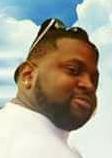
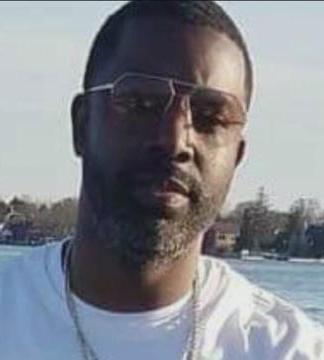
During the tumultuous summer of 1967 in Detroit, a 19-year-old Black teenager named Ernest Roquemore tragically became the final fatality of the city's infamous uprising. On the evening of July 29th, amidst ongoing civil unrest, Roquemore found himself in the midst of a chaotic scene on St. Jean Street. Accounts from that day piece together a harrowing narrative of his final moments, suggesting he was an unintended victim caught in a wave of violence that had engulfed the city.
According
to reports, law enforcement, including Army paratroopers, were conducting a raid on a flat at 3484 St. Jean St.. It was during this operation that a paratrooper allegedly fired his weapon, aiming at a suspect who was reportedly armed and attempting to flee the scene. In the ensuing confusion, Roquemore, who was part of a crowd also fleeing the raid, was struck in the back by the gunfire. He was pronounced dead at 7:40 p.m., marking a somber end to the deadliest period of the civil unrest.
Further details suggest Roquemore was caught in the crossfire of the paratroopers as they directed their attention towards another individual. The characterization of his death as an accident did little to quell the questions and pain surrounding the loss of a young life under such violent circumstances. While the identity of the paratrooper who fired the fatal shot was not widely publicized, forum discussions years later point to a Corporal Randolph Smith and lament the lack of a thorough or impartial investigation into the killing.
In the aftermath of Ernest Roquemore's death, there is no readily available information to indicate that any arrests were made or charges were filed in connection with his killing. His death was one of 43 that occurred during the five days of unrest, a period marked by widespread destruction, fear, and a breakdown of order. The narrative of his death has been preserved as a poignant and tragic example of the human cost of the historic Detroit uprising, a young life cut short amidst a city in turmoil.