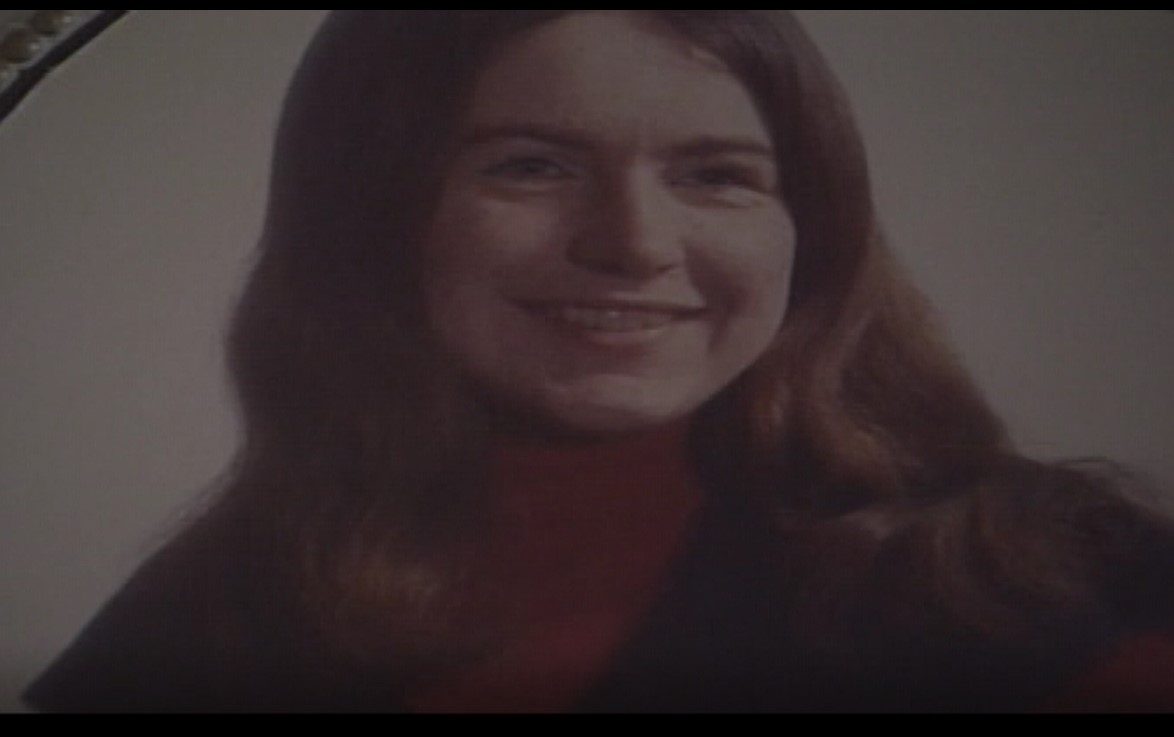
The events surrounding the death of Sheila Bonge unfolded in the quiet, snow-covered landscape of Crockery Township, Michigan, during the holiday season of 2017. On the morning of December 26, the 59-year-old White female was tending to the chores of winter, utilizing a snowblower to clear a shared driveway easement near her home. This particular stretch of land had been the center of a bitter, long-standing feud between her and her neighbors.
Tensions regarding the property rights and usage of the driveway had escalated over the preceding years, resulting in frequent calls to local law enforcement and a strained atmosphere within the rural community.
Watching from his nearby residence was Wendell Popejoy, a neighbor who had grown increasingly hostile toward Bonge. Upon observing her blowing snow onto what he considered his portion of the driveway, Popejoy made a fatal decision. He retrieved a revolver from his home, walked out to where Bonge was working, and approached her from behind. Without warning, he discharged the weapon, shooting her in the back of the head and killing her instantly. In the immediate aftermath, Popejoy took steps to conceal the crime. He returned Bonge’s snowblower to her residence to make it appear as though she had finished her task, then stripped her lifeless body of its clothing. Using a sled, he transported her remains down a hill into a wooded area behind his property, burying her under the snow. He subsequently incinerated her clothes in a burn barrel to destroy evidence.
Concern arose quickly when Bonge failed to contact her family, leading them to report her missing. Given the history of animosity in the neighborhood—police had responded to disputes at the location dozens of times—authorities and family members began a frantic search. Two days later, on December 28, a search party discovered her body concealed in the woodlot near Nunica. The discovery immediately shifted the investigation from a missing person case to a homicide inquiry. Investigators focused their attention on the neighbors with whom Bonge had feuded, leading them to interview Popejoy.
During questioning, Popejoy eventually confessed to the killing. He described the act to detectives as a snap decision born out of frustration, characterizing Bonge as a nuisance to the neighborhood who had subjected him and others to verbal abuse. He claimed that seeing her that morning pushed him over the edge. Authorities arrested him and charged him with open murder and felony firearm possession. His defense team later attempted to argue that the killing was not premeditated but rather a crime of passion committed in the heat of the moment, hoping to secure a lesser conviction of manslaughter.
The case went to trial in October 2018, where prosecutors painted a different picture, arguing that Popejoy’s actions—retrieving the gun, the execution-style shooting, and the methodical disposal of the body—demonstrated clear intent and premeditation. Witnesses, including other neighbors, testified to the toxic relationship between the parties, but the jury ultimately rejected the defense's claim that Popejoy had simply snapped. He was found guilty of first-degree premeditated murder. In November 2018, the court sentenced Wendell Popejoy to mandatory life in prison without the possibility of parole, ensuring he would spend the remainder of his days incarcerated for the execution of his neighbor.