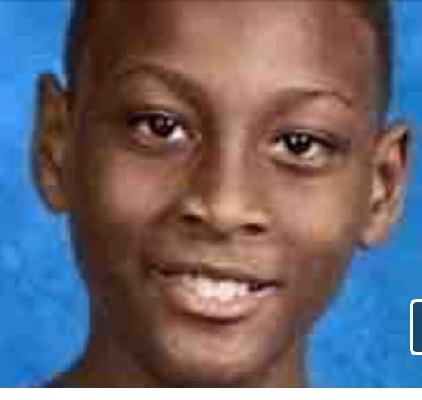
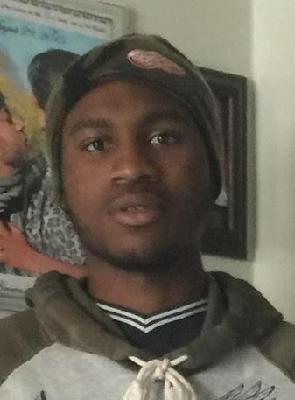
In the late hours of a spring evening in Flint, Michigan, the life of Alonzo Deonta Golfin, a 37-year-old Black/African American man, came to a tragic and sudden end. On April 28, 2018, what initially appeared to be a routine traffic incident would soon reveal a far more violent reality. First responders arriving at the scene of a car crash discovered that Golfin, the driver, was suffering from a gunshot wound.
He was rushed to a nearby hospital for medical attention.
Despite the efforts of medical personnel, Alonzo Deonta Golfin succumbed to his injuries and was pronounced dead. The discovery of the gunshot wound transformed the traffic accident investigation into a homicide case. Authorities began to piece together the events that led to the fatal shooting and the subsequent crash, but details about the circumstances of the shooting remained scarce in the public domain.
In the days and years that have followed, there has been no publicly available information regarding any arrests made or suspects identified in connection with the death of Alonzo Deonta Golfin. The investigation into his homicide has remained quiet, leaving his family and community without answers or a sense of justice for his untimely death. His case adds to the list of unsolved homicides in Flint, a city that has grappled with a significant number of such unresolved cases over the years.