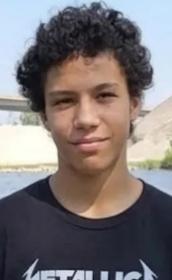
Donovon Demorae’ Bell Sr., 24, a man from Saginaw, Michigan, died on August 2, 2019 after being shot in the chest. Late that Friday night, hospital staff reported that Bell had been dropped off with a gunshot wound; despite efforts to save him, Bell succumbed to the injuries, and the death was soon counted as Saginaw’s seventh homicide of 2019.
What made the case especially difficult from the start was what investigators didn’t have. Authorities said they were called to the hospital rather than to a known crime scene, leaving detectives to work backward from the emergency-room doors, trying to reconstruct where the shooting happened and who was there when it did. The Major Crimes Unit—made up of Saginaw Police and Michigan State Police detectives—treated the death as a homicide and appealed to the public for information as they searched for leads that could anchor the timeline and put a weapon, a vehicle, or a suspect at a specific place.
Away from the flashing lights and speculation, Bell’s obituary painted a fuller portrait than the brief police updates ever could: a lifelong Saginaw resident, a 2012 graduate of Mackinaw High School, an athlete who loved basketball, and a young father remembered as tightly connected to family and faith. The service information described deep involvement at Prince of Peace Missionary Baptist Church and a life shaped by relatives and mentors who surrounded him from childhood.
In the days after the killing, investigators eventually focused on a suspect, and an arrest followed. Police arrested an individual with the last name Andrews on August 5, 2019, initially on a parole detainer. Andrews was later arraigned on charges tied to Bell’s shooting death, and the case moved forward through the court system with Andrews remaining in custody as the prosecution prepared to prove who fired the shots and why.
But the story took a hard turn as the case neared the moment it was supposed to be tested in open court. Rather than proceed with trial, prosecutors filed a motion to dismiss, and Judge Andre Borrello granted it after the prosecution said key witnesses had become uncooperative. The dismissal was entered without prejudice, leaving open the possibility that charges could be refiled in the future if the case could be rebuilt. Andrews, who had been jailed since the arrest, was released after the dismissal, while the defense argued the prosecution never should have authorized the case in the first place and said there wasn’t enough evidence to establish Andrews as the shooter.