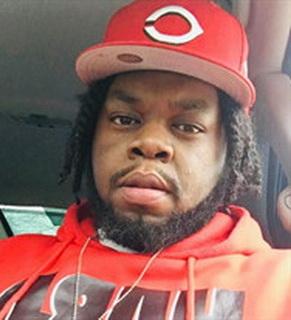
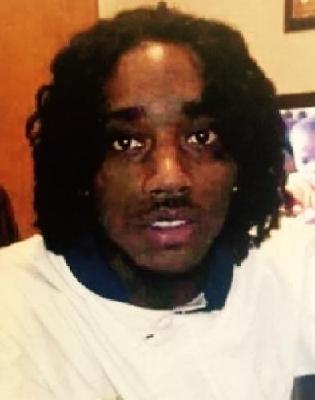
On a spring night in 2021, Airick Cherry, a 21-year-old Black male from Flint, Michigan, was sitting in his car when gunfire shattered the quiet of Pennsylvania Avenue. Shortly after 10 p.m. on Monday, April 26, police were called to the 1600 block of Pennsylvania for reports of a shooting; when officers arrived, they found Airick in his vehicle, shot to death, and the street transformed into a crime scene lit by emergency lights and cordoned with police tape.
The case was immediately treated as a homicide, but in those first days investigators could only say that the incident was under investigation and that no suspects were in custody, while Crime Stoppers announced a $2,500 reward and urged anyone with information to call in tips anonymously.
Behind the brief headlines was a young man whose life had taken shape entirely in Flint. Born on February 2, 2000, to Anton Cherry and Jennifer Smith, Airick grew up in the city and was remembered by his family as energetic and “spirit filled,” someone who loved being around relatives, caring for animals, and spending time with fast cars, dirt bikes, and quads. Friends and family recalled his goofy sense of humor, the silly laughs and dances that could break tension in a room, and a signature line he liked to repeat: “I keeps it clean when Airick Cherry is on the Scene.” He had already begun building a family of his own; obituaries note that he left behind his spouse, Siaria Cherry, and their young daughter, Lai’lani Lee, along with his parents and siblings in Flint, and a wider circle of relatives and close friends who described his death as a devastating loss.
In the days that followed the shooting, public information about what had happened remained limited. Local coverage focused on the stark facts: a 21-year-old man found shot to death in his car on Pennsylvania Avenue, his killing adding to a troubling pattern of gun violence the city had been struggling with for years. From the outside, the investigation appeared to move slowly. Police did not immediately identify any suspect or release a motive, and appeals for information emphasized that tips could be given anonymously, suggesting detectives were heavily dependent on community cooperation to reconstruct the final moments before the gunfire that ended Airick’s life.
More than three years later, in 2024, a major development was finally reported. Coverage citing MLive and summarized by other local outlets stated that 25-year-old Christopher Mason had been charged in connection with Airick’s death and ordered to stand trial in Genesee County Circuit Court. According to those reports, Mason was accused of shooting and killing Airick while Airick was inside a vehicle parked outside his home, and the case was bound over on six counts, including first-degree murder and multiple weapons-related charges. This marked the first time the public learned the name of an alleged gunman and suggested that investigators and prosecutors believed they could now tell at least part of the story of how a routine evening ended with fatal shots on Pennsylvania Avenue.
Even with a suspect identified and a trial ordered, the legal aftermath of the shooting has remained only partially visible from public reporting. The available stories focus on the bindover decision and the announcement that Mason would stand trial, but they do not yet document a jury’s verdict or a sentencing in the Flint case. That leaves the ultimate outcome of the prosecution unclear in the record that can be seen from open sources, even as those same sources confirm that the state has treated Airick’s killing as a deliberate act of gun violence, serious enough to pursue as first-degree murder with accompanying weapons charges. In the meantime, memorial pages and obituaries continue to paint a picture of a young father and son whose life was rooted in Flint and cut short in his own neighborhood, with his family left to grieve while the courts work, slowly and largely out of public view, toward a final answer about who is responsible for the shots that ended his life.