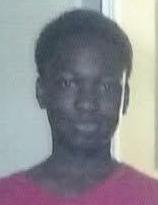
On the evening of May 11, 1967, Benjamin Brown, a 22-year-old African-American male, found himself an innocent bystander in a volatile standoff between law enforcement and students from Jackson State College in Mississippi. Brown, a truck driver and former civil rights organizer, was not a part of the protest; he was simply trying to pick up a sandwich for his wife from the Kon-Tiki Café.
As tensions escalated and officers began firing into the crowd of student protestors, Brown was struck by three shotgun blasts. He sustained injuries to his head, back, and legs and died the following morning, on what would have been his 22nd birthday.
In the immediate aftermath of the shooting, which garnered national attention, no arrests were made, and an initial investigation by the Jackson Police Department, with limited assistance from the FBI, failed to lead to any charges. The following year, a wrongful death lawsuit filed by Brown's mother and widow was dismissed. For decades, the case remained cold, a painful example of the era's pervasive violence and lack of accountability. The Mississippi Sovereignty Commission, a state agency known for monitoring civil rights activists, compiled files on the student protestors but did not pursue any action against the officers involved in the shooting.
It wasn't until 1998 that the Jackson Police Department's cold case unit reopened the investigation into Benjamin Brown's death. This renewed effort led a Hinds County grand jury in 2001 to find probable cause that two law enforcement officers were responsible for Brown's death: Jackson police officer Buddy Kane and Mississippi Highway Patrolman Lloyd Jones. However, as both men were deceased by the time of the grand jury's finding, no criminal charges could be brought against them. An FBI review of the case, initiated in 2009, later identified Jones as the 'only credibly implicated subject,' citing a confession he allegedly made to a witness and ballistics evidence that connected the shotgun pellets from Brown's body to the type of ammunition issued by the Mississippi Highway Safety Patrol at the time.
Following the grand jury's findings, the Brown family filed a second wrongful death lawsuit. In 2003, the city of Jackson agreed to a settlement of $50,000. Though no one was ever criminally convicted for his death, Benjamin Brown's story is remembered as part of the struggle for civil rights, and he is memorialized by the Southern Poverty Law Center as a civil rights martyr.