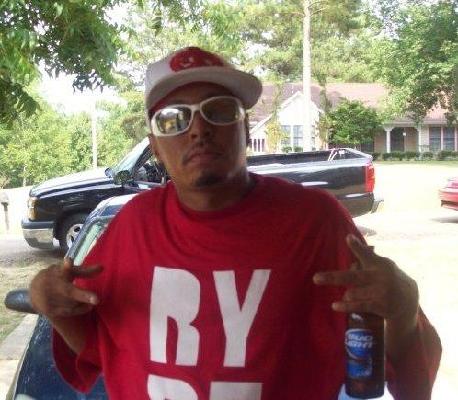
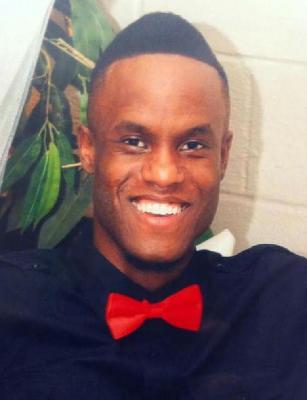
On the night of May 14, 1970, racial tensions that had been simmering in Jackson, Mississippi, came to a tragic head on the campus of Jackson State College. James Earl Green, a 17-year-old Black male and a senior at nearby Jim Hill High School, was walking home from his job at a grocery store. His path took him through the campus, a place fraught with recent confrontations between Black students and white motorists who would often shout racial slurs while driving through.
That evening, the campus was a scene of unrest, fueled by a rumor of the death of a local civil rights leader and the recent killing of four students at Kent State University by the Ohio National Guard.
Earlier in the evening, a dump truck had been set on fire on Lynch Street, a thoroughfare that cut through the college campus. This brought a heavy response from the Jackson Police Department and the Mississippi Highway Patrol, with about 75 officers in riot gear descending on the area. After firefighters extinguished the blaze, the law enforcement officers marched towards a group of students and onlookers gathered in front of Alexander Hall, a women's dormitory. Shortly after midnight, on May 15th, a sudden and intense barrage of gunfire erupted from the police line. Officers fired for approximately 28 to 30 seconds, riddling the dormitory with nearly 400 rounds of bullets and buckshot.
In the chaotic moments of the shooting, James Earl Green was struck and killed behind the police line, across the street from the main chaos in front of Alexander Hall. Another young man, 21-year-old Jackson State student Phillip Lafayette Gibbs, was also killed, and twelve other people were wounded by the gunfire. The official explanation from law enforcement was that they believed they were under sniper fire from the dormitory, a claim that was later disputed and for which an FBI investigation found no evidence.
In the aftermath of the violence, President Richard Nixon established the President's Commission on Campus Unrest to investigate the events at both Jackson State and Kent State. The commission's report concluded that the police fusillade was an 'unreasonable, unjustified overreaction.' Despite this finding and local and federal grand jury investigations, no arrests were ever made, and no one was charged in connection with the deaths of James Earl Green and Phillip Lafayette Gibbs. The families of the victims later attempted to sue for monetary damages but were unsuccessful due to the legal doctrine of sovereign immunity protecting the officials and officers. The site of the tragedy on the Jackson State University campus was later named the Gibbs-Green Plaza in memory of the two young men who lost their lives that night.