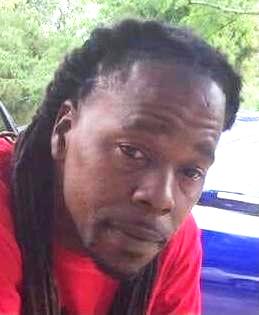
Everron McCall, a 40-year-old male from Jackson, Mississippi, spent the early afternoon of Sunday, December 14, 2014, inside the modest family home on Queensroad Avenue where he lived with his father. It was a winter day like many others in that neighborhood, with people coming and going, television sets murmuring behind closed doors, and neighbors close enough to hear when tempers in a nearby house began to rise.
Inside the McCall home, a disagreement between father and son swelled into a full-blown argument, the kind of family dispute that might have cooled down on any other day but instead moved steadily toward tragedy.
The voices grew louder, sharp enough that people living nearby could make out the tension even if they could not understand the words. One neighbor later recalled hearing the arguing carry through the air, then, suddenly, the crack of gunfire—two shots that cut off the shouting mid-sentence and sent a jolt of fear down the quiet street. When the sound faded, the stillness that followed was not the everyday quiet of a Sunday afternoon; it was the heavy silence that often settles in the seconds after something irreversible has happened. Inside the house, Everron had been shot in the head, a wound that would claim his life and transform a private family conflict into a public homicide investigation.
Police and emergency responders converged on the address, listed in reports as 2361 Queensroad Avenue, just before 1 p.m. Officers found Everron gravely wounded, the scene bearing the unmistakable marks of a domestic dispute that had turned deadly. As detectives began piecing together what had happened, attention quickly focused on his father, 63-year-old Willie McCall, who had been inside the home during the confrontation. By that same day, Jackson police announced that the father was accused of shooting and killing his son during the family fight and that he had been charged with murder in connection with the fatal shooting. What might once have been dismissed as a heated but ordinary argument between relatives was now formally identified as a criminal act, and the McCall family’s private heartbreak became a matter of public record.
In the days that followed, Everron’s name appeared in brief obituary notices that simply stated he had died on December 14, 2014, with funeral arrangements handled by a local Jackson funeral home. The notices were stark and understated, offering little more than his age, hometown, and the confirmation that his life had come to an abrupt end. On an online memorial page dedicated to victims of gun violence, his entry—short on details, awaiting photographs and memories from those who knew him—quietly marked his place among thousands of others who had been lost to firearms. There, loved ones and strangers alike could light virtual candles for Everron, a small gesture that hinted at the grief and affection that existed far beyond the sparse lines of the obituary and the clinical language of police reports.
As the legal process moved forward, the story of the shooting briefly surfaced beyond Mississippi, mentioned in lists of disturbing cases where parents had killed their grown children, a grim reminder of how quickly family tensions can turn deadly when a gun is present. Yet for all the initial attention on the arrest and the murder charge, the public trail of information thins noticeably after those first reports. Later summaries of the case note that no clear conviction record for the father can be found in readily accessible public sources, and details about any trial, plea agreement, or sentencing are either absent or not easily traceable. What remains in the public eye is the bare outline of a tragedy: a father and son locked in an argument that escalated past words, two shots echoing down a Jackson street, and a family left with a loss that no court outcome—known or unknown—could ever fully resolve.