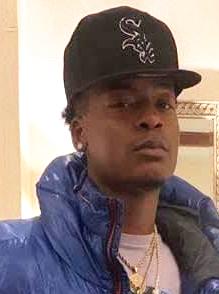
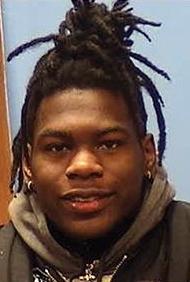
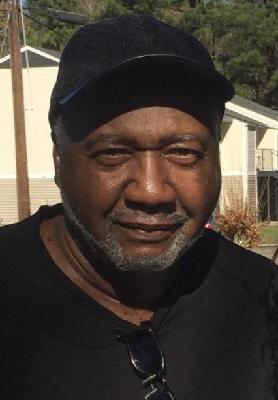
Kordell Bates was a 25-year-old Black / African American man from Port Gibson, Mississippi, known to family and friends by the nickname “Pimp,” a hardworking young father who held a job with Cappeart Manufactured Housing in nearby Vicksburg and was remembered as loving, playful, and deeply devoted to his child and extended family. In the years before his death, those closest to him described him as kind-hearted, friendly, protective, and proud of the life he was building, the sort of person
children gravitated to and relatives relied on, which made what happened in March 2016 feel all the more senseless.
In the early morning hours of March 18, 2016, a passerby driving along Willow Road, a quiet stretch in rural Claiborne County not far from Port Gibson, spotted something in a roadside ditch around 5:45 a.m. and called authorities. Deputies arrived to find Bates’ body lying in or near the shallow ditch; he had been shot to death and left there in the dark before dawn. Investigators soon learned that he had last been seen alive the night before at a strip club in Port Gibson, and the abrupt transition from an ordinary night out to a body discovered at daybreak stunned his parents, who later spoke of getting the call around eight in the morning and struggling to process that their son, who had simply gone out for the evening, was now gone.
As deputies began piecing together his final hours, suspicion quickly centered on a group of young men Bates had known for most of his life. Claiborne County Sheriff Frank Davis announced that four people who had grown up with Bates were believed to be involved in the killing, a detail that compounded the family’s grief with a sense of betrayal. Over the weekend following the discovery of his body, authorities moved swiftly: on Saturday night they arrested three suspects — 19-year-old Cedrick Donnel Amoh Jr., 21-year-old Marqyuios Ladarrius Shaw, and 23-year-old Brian Elggleston Jr. — all taken into custody in connection with the shooting death. The next day, Sunday afternoon, 22-year-old Jodarius Grisby turned himself in to law enforcement, becoming the fourth man held in the case.
From the outset, investigators signaled that they believed the killing was not random but rooted in an earlier court case. Sheriff Davis told reporters that the apparent motive was retaliation: Bates had testified in a case involving another man who was a friend of the four suspects, and that testimony, in the authorities’ view, set in motion the events that led to his death. While officials declined to go into further detail about the prior case in those early statements, they framed the shooting as a deliberate act meant to punish a young man for cooperating with the justice system, turning him from an ordinary witness into a target.
For Bates’ parents, the revelation that the suspects were people their son had known since childhood was almost as painful as the news of his death itself. They spoke of how they had trusted the people around him, never imagining that familiar faces from the neighborhood could be tied to an ambush that ended with their son shot and discarded in a roadside ditch. In community tributes and online memorials, relatives and friends remembered him not as a headline but as a gentle, goofy young man who loved kids, doted on his own child, and took pride in showing up for work every day — an image that stands in stark contrast to the violent way his life was cut short.
Publicly available reporting on the legal aftermath of the case largely focuses on those initial days: the discovery of Kordell Bates’ body, the rapid identification of four suspects, and law enforcement’s early description of a revenge motive tied to his testimony in another man’s case. Beyond the announcements of those arrests, there is little easily accessible information in open sources about subsequent court proceedings, plea deals, or verdicts for the four men, leaving the ultimate outcome of the criminal case largely undocumented in the media record and adding another layer of uncertainty to a story already marked by loss and unanswered questions.