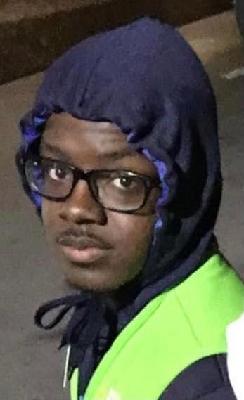
In the late summer of 2016, the life of Michael Anthony Woods, a 41-year-old man from Biloxi, Mississippi, was brought to an abrupt and violent end. On September 24th, Woods, known affectionately to friends and family as 'Big Face,' was fatally shot by Orlando Newell. The incident set in motion a long and complex legal battle that would wind its way through the Mississippi judicial system. Woods was a well-regarded figure in his community and worked as the Entertainment Manager for Face2Face Entertainment, where he was known for helping to usher new artists into the Atlanta music industry. His sudden death was a profound loss for those who knew him as a pillar of his family and community.
The aftermath of the shooting saw Orlando Newell facing a murder charge. In the ensuing trial, Newell's defense rested on the claim that he had acted in self-defense. Despite this assertion, a jury found him guilty of murder. The legal proceedings were far from over, however, as the conviction was appealed. The central issue in the appeal was a pre-arming jury instruction given by the trial court. This instruction was argued to have unfairly undermined Newell's claim of self-defense.
In 2020, the Mississippi Supreme Court reviewed the case and ultimately agreed with the arguments of the defense. The higher court found that the pre-arming instruction was not supported by the evidence presented during the trial and had improperly prejudiced the jury against Newell's self-defense theory. Consequently, Orlando Newell's murder conviction was reversed, and the case was remanded for a new trial. This decision highlighted the legal complexities surrounding self-defense claims and the critical importance of proper jury instructions in ensuring a fair trial. The case of Michael Woods's death continues to be a poignant reminder of the lasting impact of gun violence.