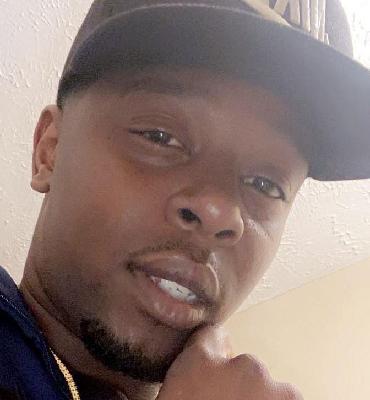
On a late Sunday night, November 27, 2016, 25-year-old Lewis Coleman, a Black male from Jackson, Mississippi, was spending the end of the weekend at a friend’s home on Raymond Road in west Jackson, relaxing over video games as the clock pushed past 11 p.m. He was inside the small house with his friend Maurice Ware, someone he trusted enough to share those quiet hours when the world outside seemed far away.
The calm broke with a knock at the door.
Ware later recalled hearing the sound and announcing that someone was there before walking toward the entrance. When he opened the door, he was confronted by two men standing just outside, one of them holding a gun. Startled and terrified, Ware bolted back into the house and locked himself in the bathroom, praying as a barrage of gunfire erupted. Witness accounts and police reports describe more than a dozen shots being fired, bullets ripping through a front glass window and into the living space, leaving holes scattered throughout the house and even outside on the property. In the chaos of shattered glass and splintered wood, one round struck Lewis in the chest. He collapsed inside the home while his friend remained trapped in the bathroom, listening to the gunfire and believing he might be next.
When officers and emergency responders arrived, they found Lewis mortally wounded. He was pronounced dead from a single gunshot wound to the chest, and Jackson police soon announced that the killing marked the city’s 61st homicide of 2016. In an early statement, the department said at least two men had fired several shots into the home through the front window, and that they were believed to have used both an assault rifle and a pistol. Investigators released only limited details and did not immediately name any suspects, emphasizing instead that the motive was unknown and urging anyone with information to come forward. The Jackson Police Department repeated that call on social media, identifying Lewis by name and confirming that he had been hit once in the chest while inside the house.
In the days that followed, detectives worked the case as pressure built for answers. Within that first week, officials announced that one man was in custody. Local news reported that 26-year-old Michael Torrey had been arrested by Jackson police vice and narcotics officers in connection with the Raymond Road shooting. According to those reports, he was linked to the gun attack that had sent bullets flying through the front of the home and taken Lewis’s life. Police at the time stressed that a second man was still being sought, based on witness accounts that two attackers had approached the door and participated in the shooting.
Public jail and arrest records from Mississippi show that a man named Michael Jerome Torrey was arrested by Jackson police on December 2, 2016, and booked into Hinds County custody on charges listed as murder and “shoot into occupied dwelling,” matching the time frame and basic circumstances of the Raymond Road homicide. These records indicate that he was formally accused of taking part in the fatal attack, though, like all arrest information, they reflect allegations rather than a final judgment of guilt. Openly available news and court reporting do not clearly document what ultimately happened to those charges in court or whether anyone was ever tried or convicted specifically for Lewis’s killing, and there is no widely reported public record that the second suspect was ever identified or arrested. The case, at least in the public eye, appears to fade from the headlines with those questions unresolved.
Outside the formal language of police releases and arrest records, Lewis’s memory lives in quieter places. Online memorial pages list his name and the date he was “lost to gun violence” in Jackson, alongside photographs of him standing outside in a red-and-black shirt, looking straight into the camera. Friends and loved ones leave messages describing him as a caring person who looked out for everyone, writing that they miss him every day and that life has not been the same since he was killed. Candles on those pages number into the hundreds, each one a small act of remembrance for a young man whose life ended on an ordinary Sunday night that turned suddenly, violently, into tragedy.