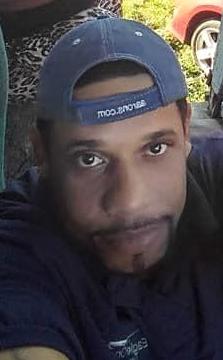
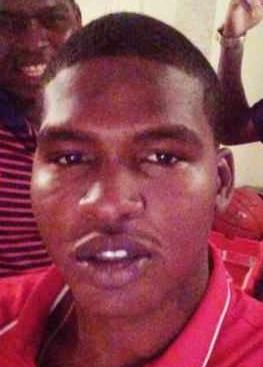
On the morning of September 13, 2018, Orlando Coleman, a 31-year-old man from Jackson, Mississippi, was inside a small home on McCluer Road when his ordinary Thursday was interrupted by violence. Not long before 8:30 a.m., officers with the Jackson Police Department were called to the 100 block of McCluer Road, near Terry Road, where they found Coleman inside the residence, mortally wounded from gunfire. He was pronounced dead at the scene.
His passing was later noted in the local obituary pages, listing him as a Jackson resident whose life ended on September 13, with funeral arrangements handled by Westhaven Funeral Home, and his name was added to the National Gun Violence Memorial as one of the people lost to firearms that day in the city.
In the first hours after the shooting, detectives began assembling a picture based largely on what shaken witnesses could recall. Police said there had been an altercation inside the home involving two men, a dispute that escalated until shots were fired and Coleman was struck repeatedly. The confrontation unfolded entirely indoors, giving investigators little to work with beyond the brief moments that followed. Neighbors reported seeing a man sprinting away from the house immediately after the gunfire, bolting from the front of the residence and heading toward the street.
According to investigators, that fleeing man did not simply vanish into the neighborhood on foot. Witnesses told police that a vehicle pulled up and picked him up as he ran from the house, then continued west along McCluer Road. Detectives believed the same vehicle had brought him to the residence shortly before the shooting, suggesting that the gunman had arrived with a ride and left the same way, leaving behind only the brief glimpse of a running figure and a departing car. No detailed physical description or license plate number was publicly released, and the suspect remained unnamed in the information shared with the press.
Jackson police treated the address on McCluer Road as an active homicide scene, closing off the area as they worked to collect evidence from the modest home where Coleman fell. Even as the crime scene tape went up, investigators were already appealing to the community, asking anyone who had seen or heard something—before, during, or after the burst of gunfire—to come forward. Officials emphasized that they wanted information more than identities, encouraging residents to contact the department directly or use an anonymous tip line if they were afraid to speak openly, and they did not publicly offer any theory about a motive for the shooting.
Beyond the sparse details of the police account, most of what survives about Coleman in the public record rests in brief memorials. His obituary entry offers little more than his name, city, age, and date of death, but the online gun violence memorial that lists him includes candles lit in his memory and space for friends and family to add photos, memories, and the small personal details that rarely appear in news stories. Those gestures suggest a life rooted in Jackson’s community—someone known well enough that people felt compelled to leave digital tributes even when reporters moved on.
From the information that can be found in public news and memorial sources, there is no indication that the man seen fleeing the scene was ever formally identified by name in the press or that anyone was arrested, charged, tried, or convicted in connection with Orlando Coleman’s killing. The only publicly described lead remains that anonymous figure running from the house to a waiting vehicle on McCluer Road, and years later his death continues to appear in gun violence databases as a Jackson homicide recorded by date and location, but without any documented resolution in court.