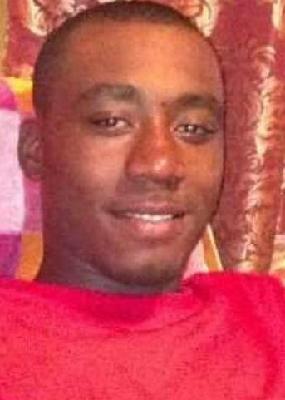
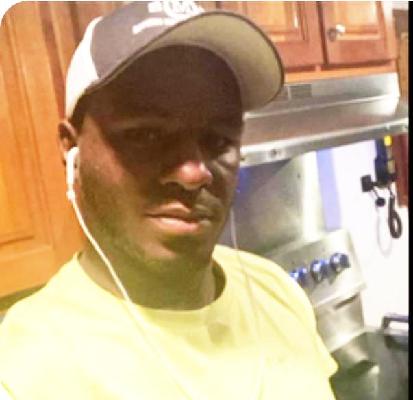
On February 23, 2017, in the small city of Grenada, Mississippi, William Henry Booker, a 48-year-old male, died in a shooting that turned an ordinary day into a date his community would not forget. Public records and memorial sites place his death firmly in the context of gun violence, noting that he was one of many lives lost to firearms in Grenada but still emphasizing that he was a real person, not just a statistic on a list.
What is known from the fragmentary online trail is stark and simple. Booker’s name appears among entries for “fatal shootings in Grenada, Mississippi,” confirming that his death was the result of gunfire rather than natural or accidental causes. The same memorial entry records that he was killed on that late-winter Thursday in Grenada and identifies the incident through a linked news headline describing a “Grenada shooting” that killed a man and injured a woman, making clear that someone else was caught in the violence that ended his life. The wording of that headline is all that survives openly online from the original news account, but it adds one more dimension: this was not a quiet or isolated passing, but an episode of sudden, public harm that reached beyond a single victim.
Beyond these bare facts of place, date, and manner of death, the public record turns quiet. The memorial page dedicated to Booker invites visitors to post photographs, share memories, and “light a candle” in his honor, and more than a hundred such virtual candles have been recorded there over the years, a small but tangible sign that family, friends, or concerned strangers have returned again and again to mark his absence. Yet the same sources that keep his name alive offer no obituary, no account of his work, family, or daily life, only the suggestion—through empty fields for “personality,” “occupation,” and “schools attended”—that there was a fuller story that those who knew him could choose to fill in.
Equally striking is what these online records do not say. Neither the memorial listing for Booker nor the broader databases that catalogue shootings in Grenada identify a suspect, mention an arrest, or summarize any criminal case tied to his death. There is no publicly available description of who may have fired the shots, what led up to the confrontation, whether it was domestic, street-level, or some other kind of dispute, or how the injured woman’s life was altered afterward. The absence of names, charges, or court outcomes in these sources leaves the official narrative of accountability blank, and anyone trying to follow the trail of justice for William Henry Booker encounters only the same short lines: a name, an age, a city, a date, and the blunt confirmation that he was lost to gun violence.