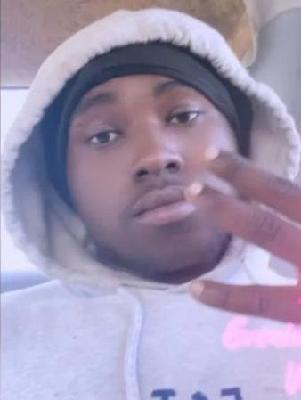
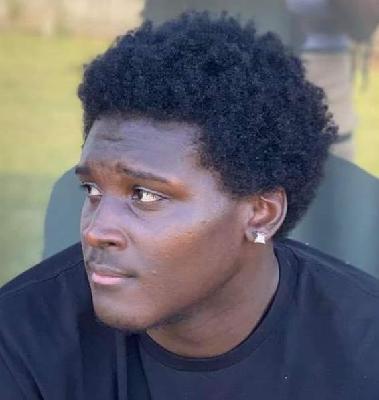
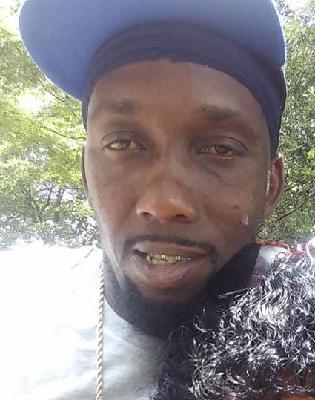
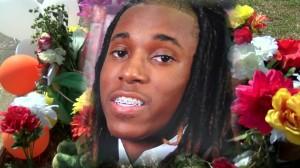
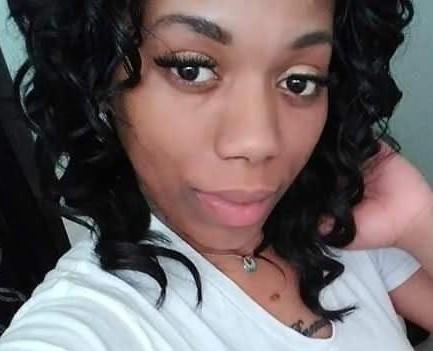
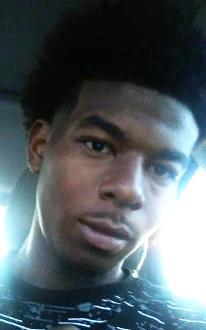
On a hot Sunday afternoon in early August 2017, 21-year-old Black man Derjarvious Dickson was out on Cumberland Street in Tunica County, Mississippi, when the quiet of the neighborhood was broken by gunfire. Around 2 p.m., deputies from the Tunica County Sheriff’s Department were called to reports of a shooting on that street and found him gravely wounded.
He was still alive when first responders arrived, and he was rushed across the state line to a hospital in Memphis, Tennessee, where doctors tried to pull him back from the brink.
The shooting happened on August 6, 2017, but hospital and funeral records list his passing the next day, reflecting the desperate hours his family spent waiting while he fought for his life. His obituary in The Commercial Appeal simply records that he was from Horn Lake, Mississippi, that he died on August 7, and that Henderson Funeral Home in Tunica would handle the arrangements, the stark brevity of the notice hinting at the shock that still hung over those who loved him. On an online gun-violence memorial page, friends and relatives later filled in the gaps his obituary left out: they remembered him by a nickname, “Huncho,” talked about how laid back and fun he was, and noted that he had attended Horn Lake High School, sketching a picture of a young man whose life revolved around family, friends, and Friday-night lights.
In the hours after the shooting, investigators fanned out along Cumberland Street, trying to piece together what had happened. Local television reports described officers searching for clues and witnesses while the community absorbed the news that the man shot that afternoon had died in Memphis. The Tunica County Sheriff’s Department soon announced that they were looking for a specific person of interest in the case. Not long after, deputies said they had located Jamauri Ransom of Memphis and brought him in for questioning, describing him as someone believed to be connected to the fatal shooting. At that point, however, authorities stressed that he was only a person of interest and that they had not yet decided whether to charge him in connection with Dickson’s death, leaving the public with more questions than answers about what had led to the gunfire on that quiet street.
In the years that followed, Ransom’s name surfaced again and again in court records, but often in the context of a different killing. In Jackson, Tennessee, he was charged in the 2018 shooting death of Kevin Minter in the parking lot of a Marathon gas station, where prosecutors said a robbery unfolded that ended in gunfire. A Madison County grand jury indicted him in January 2019 for murder in the perpetration of aggravated robbery and for aggravated robbery itself, and a jury later convicted him of aggravated robbery and first-degree felony murder. He received an effective life sentence, a punishment he appealed on technical and evidentiary grounds, but the Tennessee Court of Criminal Appeals upheld the conviction, cementing his status as a convicted murderer in that separate case.
At the same time, legal filings show that Mississippi authorities had not forgotten about their own unresolved homicide. In a 2025 opinion from the Tennessee Court of Criminal Appeals, judges described how Ransom challenged an order granting the State of Mississippi’s request to have him extradited on a murder indictment there. The court rejected his arguments about the paperwork and allowed the extradition to proceed, noting only that Mississippi sought him for an unnamed murder case. Around the same period, booking information and mugshot listings from Tunica County show Ransom being arrested on a “foreign warrant,” again indicating that local authorities were holding him on behalf of another jurisdiction pursuing serious charges, though those public listings do not spell out the case by victim or incident.
For those who cared about Derjarvious Dickson, the public record that remains feels like a series of fragments rather than a complete story. There is the brief obituary that reduces a life to a name, an age, and a date. There is the gun-violence memorial, where friends write messages years later saying they miss him and urging others to put the guns down. There are the early news stories about a Sunday afternoon on Cumberland Street, a rush to a Memphis hospital, and a person of interest found and questioned but not yet charged, followed much later by court documents in another state recounting a different murder, a life sentence, and an extradition request tied to a Mississippi indictment whose details remain sealed to everyone but the lawyers and the families involved. Taken together, they tell the story of a young man whose life ended in a burst of daylight gunfire and of an investigation that moved largely out of public view, leaving his community to grieve, remember, and wait for the day when every part of what happened to him is finally laid bare in open court.