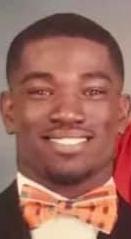
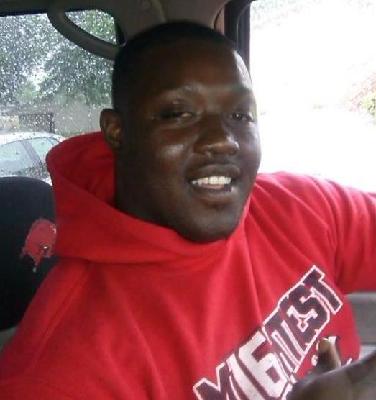
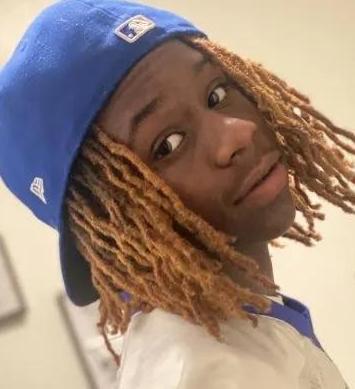
On a warm late-summer Sunday in the Mississippi Delta, Ulysses Brown, a 31-year-old man, spent the night of September 15, 2019 in Clarksdale, a small city known for crowded blues clubs and neighborhood lounges that stay busy long after dark. In a town that markets itself on live music “365 nights a year,” its bars and clubs are regular gathering places where people from around the Delta and beyond come to hear bands, talk, and unwind at the end of the week.
That night, Brown's path led to the Turning Point Lounge, a bar in Clarksdale that sits among the city's cluster of small nightlife spots. Sometime during the outing, an argument broke out at the lounge. A local television report, later cataloged by national gun-violence memorial sites, described a man being shot following an argument at a North Mississippi lounge, and that report is directly linked to Brown's case. The details of what sparked the confrontation, who said what, and how quickly it escalated are not preserved in the publicly available record, but the outcome is: amid the noise and activity of a weekend crowd, gunfire erupted, and Brown was struck.
National gun-violence databases classify the incident as a bar-or-club shooting in or around the establishment, noting that it occurred at the Turning Point Lounge in Clarksdale on September 15, 2019 and that one person was killed and no one else was injured. Clarksdale authorities and emergency responders would have arrived to find the aftermath of that single, devastating burst of violence, with Brown gravely wounded. He did not survive his injuries, and the date of his death is recorded as September 15, 2019, in Clarksdale, Coahoma County, Mississippi, on memorial and cemetery records that now stand in place of a fuller public account of his life.
After his death, Brown's name joined a growing roll of local victims on the National Gun Violence Memorial, where he is listed simply as someone “lost to gun violence” in Clarksdale on that September day. The memorial page contains no photograph and invites friends or family to add memories, a nickname, or biographical details, a stark indication of how little about him has been preserved in the open record beyond his name, the city where he died, and the fact that a gunshot ended his life. Visitors to the page have lit dozens of virtual candles in his memory, small digital gestures that suggest grief and remembrance even where the public story is thin.
Those same memorial listings and incident databases, however, are notably silent on what happened afterward in the search for the person who pulled the trigger. The national archive that catalogs the shooting provides the basic incident type and location but does not list a suspect, an arrest, or any follow-up investigative notes. The grave and memorial records that confirm his death likewise offer no hint of a named perpetrator or of a criminal case moving through the courts. Publicly accessible sources that track U.S. homicides and gun deaths contain no report of charges filed, a trial, or a conviction connected to the killing at the Turning Point Lounge that night. From what can be seen in those records, Brown's death is captured mainly as a single data point in the history of shootings in Clarksdale: one man, alone in the “1–0” tally that marks one life taken and no additional victims injured.
In the absence of a documented arrest or prosecution, the story of Ulysses Brown that survives in the open record is tragically spare—an evening at a neighborhood lounge, an argument that turned violent, a fatal shot, and then a name carried forward only on a gun-violence memorial, a cemetery listing, and statistical tables. What remains visible to the wider world is the outline of a life cut short in a city better known for music than for murder, and a killing whose responsible party and full circumstances have not been clearly set out in the public sources that remember him.