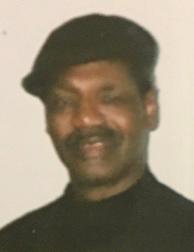
On a quiet Saturday morning in early March 2020, Michael Taylor, a 49-year-old Black man from Jackson, Mississippi, was shot at a home along Brookview Drive in South Jackson. The shooting happened just before 11 a.m., turning an ordinary late-morning weekend scene into a crime scene as gunfire broke the stillness of the neighborhood. Neighbors would later wake to the sound of sirens and the commotion that followed, while Taylor, gravely wounded, was rushed away from the house by private vehicle
rather than by ambulance, a detail that underscored the panic and urgency of those first moments after he was hit.
The vehicle carrying him arrived at Merit Health Hospital, where medical staff tried but could not save him. Not long after, the Hinds County coroner pronounced Taylor dead, and his name and age were released publicly, marking him not just as another statistic in Jackson’s rising toll of gun violence, but as a specific man whose life had ended abruptly on March 7, 2020. Local coverage described his death plainly as the result of a shooting, recorded among that day’s homicides and later listed in national compilations of victims lost to gun violence, ensuring that the details of when and where he died would not be forgotten even as the case faded from headlines.
Jackson police announced that they had opened an investigation into the shooting on Brookview Drive, but even in those early hours they acknowledged that they had no suspect, no clear motive, and no immediate explanation for why Taylor had been targeted that morning. Detectives appealed for information, but public reporting from that time makes no mention of witnesses coming forward with a clear description of a shooter, nor of any conflict or robbery that could readily explain the violence. In the months and years that followed, available news accounts and public databases do not show any update indicating that a suspect was identified, arrested, or charged in connection with Taylor’s killing, and there are no public court records tying anyone to his death.
What remains in the record is a stark outline: a man in late middle age shot at a South Jackson home, delivered by private vehicle to a hospital where he was pronounced dead, and a police inquiry that, at least in the public eye, never advanced to the point of naming a suspect or bringing charges. The passage of time has left Taylor’s story largely confined to brief news items and victim lists, but together they sketch a picture of a life cut short on a Saturday morning and an investigation that, as far as publicly available information shows, has yet to deliver an arrest or a measure of legal accountability for his death.