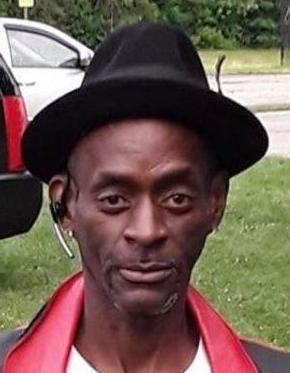
On October 31, 2010, Marlos Canterberry, age 31, was fatally shot in Chicago. The incident took place on Halloween night, contributing to what was a violent year for the city. Canterberry's death was recorded in the Woodlawn neighborhood, an area which, like many others in Chicago, experienced significant levels of violence during that period. His killing was part of a broader trend of homicides, which had plagued various Chicago neighborhoods in 2010, with multiple incidents reported across the city.
The details of Canterberry's homicide reveal that he was attacked while in public, though specific motives and suspects were not immediately made public. The crime took place amidst an environment where gun violence was pervasive, often linked to ongoing conflicts and a proliferation of firearms in vulnerable areas. During this period, Chicago faced rising tensions across different community areas, many of which dealt with high poverty rates and challenges related to gang activity, contributing to incidents like the one that claimed Canterberry's life.
The city's overall homicide numbers in 2010 reflected a broader struggle with violent crime, despite attempts by local authorities to improve public safety. These efforts included increased patrols in violence-prone neighborhoods and community outreach initiatives. However, the social and economic factors that fueled violence, such as unemployment and gang rivalry, made it difficult to curb the rate of violent crime. Marlos Canterberry’s death is emblematic of the challenges Chicago faced in reducing gun violence and addressing its root causes.