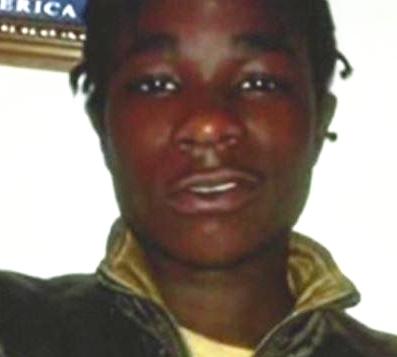
On November 24, 2010, Isaiah D. Carter, a 19-year-old male, was fatally shot in Chicago, Illinois. His death was part of a broader trend of violence in the city that year, with 2010 being marked by numerous shootings and homicides affecting young people. The incident took place during a time when Chicago was grappling with an increase in violent crime, with many neighborhoods experiencing heightened gang activities and disputes that often ended tragically.
Isaiah Carter's homicide underscores the challenges faced by the city in dealing with violence, particularly in vulnerable communities where young individuals are disproportionately affected. The Chicago Police Department continued efforts to manage the rising violence through increased patrols and other measures, but the ongoing incidents highlighted the need for more systemic approaches to ensure the safety of residents. Community efforts and law enforcement interventions struggled to keep pace with the violence, which often claimed lives in both direct confrontations and incidents of mistaken identity.
In 2010, Chicago's violence highlighted the urgent need for comprehensive interventions targeting not just law enforcement but also the root causes of violence, such as lack of economic opportunities and the prevalence of illegal firearms. The loss of young lives like Isaiah Carter’s was a powerful reminder of the persistent challenges faced by many neighborhoods across Chicago and the importance of addressing these issues holistically to prevent further tragedies.