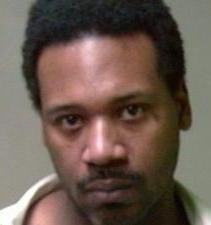
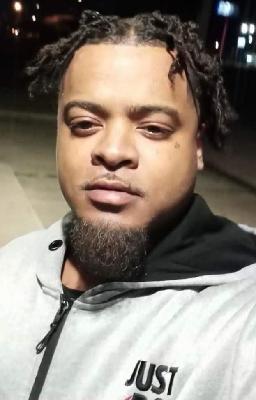
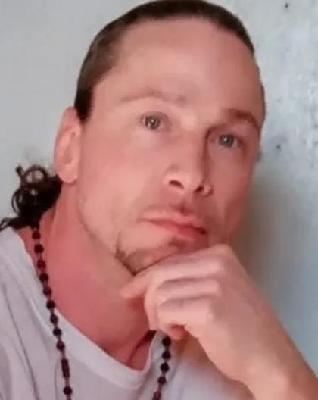
Rodney Hennesy was a 26-year-old Black male from Oklahoma City, Oklahoma, whose life ended on March 22, 2015, when a Sunday in North Highland Park turned suddenly violent. The park, near NW 82nd Street and Harvey Avenue in northwest Oklahoma City, was the kind of neighborhood green space where people gathered to talk and unwind, but that afternoon it became the backdrop to a confrontation that would leave his family searching for answers for years.
He was later remembered in gun violence memorials simply as someone “lost to gun violence” on that date in his hometown, a stark phrase for a death that unfolded in a matter of chaotic moments.
What began as an argument in the park escalated into a physical fight, drawing the attention of those nearby as voices rose and tensions flared. In the turmoil, investigators say that Rodney produced a knife and stabbed another person involved in the altercation, an act that shifted the mood from a heated dispute to something far more frightening. At that point, according to an arrest warrant later described in news reports, a 21-year-old named Jontae Jenkins, who had not been part of the original fight, intervened. Witness accounts gathered by police indicated that Jenkins opened fire, shooting Rodney several times; the medical findings would later note two gunshot wounds to Rodney’s chest as the cause of death. The sounds of the argument were replaced by the crack of gunfire, and within minutes the scene was no longer just a fight in a park, but a homicide investigation.
Police were called to North Highland Park that afternoon and found a crime scene marked by confusion and fear. News reports from the following day described how officers identified Rodney as the person killed and noted that the violence had erupted after an argument in the park. Detectives spoke with several people who had been at the scene, trying to piece together how a dispute had escalated so quickly into a fatal shooting. At that early stage, authorities would say only that interviews had been conducted and that no arrests had yet been made, leaving both the public and Rodney’s loved ones with little sense of what would happen next or who would ultimately be held responsible.
In the months that followed, the investigation appeared to move forward. By May 2015, an arrest warrant had been issued naming Jenkins as the suspected shooter in the confrontation at North Highland Park. He was taken into custody and, before anything could happen on the homicide allegations, he served time in state custody on other outstanding warrants. Eventually, he was transferred back to the Oklahoma County jail under the murder warrant tied to Rodney’s killing, raising the family’s hopes that the case might finally move toward trial. But prosecutors later explained that investigators had never formally presented charges against Jenkins for filing, citing insufficient evidence, and without a fully supported case the district attorney’s office did not proceed. In early January 2017, Jenkins was released from the county jail, a development that devastated Rodney’s family. His mother, Tonya, spoke publicly about living in a city where the person she believed responsible for her son’s death could now walk free, while his sister Latoya, who said she had been at the park with him that day and provided a witness statement, described reliving the shooting in flashbacks, nightmares, and sleepless nights. Another sister, Destiny, vowed alongside them that the family would not stop pressing for accountability.
Years after the shots were fired at North Highland Park, public records and reporting still do not show any murder charges successfully brought to court in Rodney Hennesy’s death. The family’s pleas for anyone with information to come forward remain part of the story, echoing through news coverage and case summaries that continue to list the homicide without noting a conviction. Online case archives dedicated to unsolved or unresolved homicides still describe the killing at the park, the argument, the knife, and the gunfire, and ask readers to help if they know more. For Rodney’s loved ones, the park where he fell is not just a dot on a map in northwest Oklahoma City but a place tied to grief, unanswered questions, and an enduring fight for justice that has outlasted the headlines.