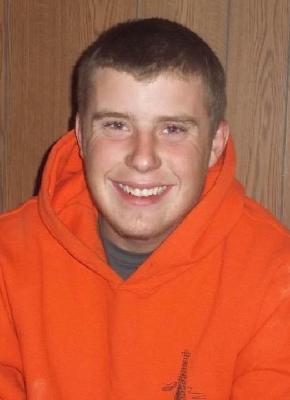
Allen Counts, a 23-year-old white male from Hennepin, Oklahoma, grew up in the nearby town of Dougherty after being born in Pauls Valley in late December 1992. He attended Sulphur Public Schools and was rooted in the quiet routines of rural life in Garvin County. On December 21, 2016, that ordinary world was torn apart when he was fatally shot in his hometown, a death that would echo for years through both his family and the small community that knew him.
It was a Wednesday evening, and relatives had gathered on a rural property in Hennepin, spending time around a barn and a fire pit as night settled over the countryside. At some point, a frantic call went out to 911 reporting that Allen had been shot in the head, the caller initially believing he might have been struck by a bullet that somehow came from the direction of the fire. In the confusion of those first moments, the scene shifted from casual conversation and laughter to panic, as people tried to understand what had happened and whether there was anything they could do to save him.
As emergency responders were dispatched, Allen was left inside the barn, lying in his own blood, while the woman who made the call hurried to move children away from the chaos and to what she hoped was safety. Deputies later noted that there was no one at his side able to give CPR when they arrived, and early accounts from those present painted a muddled picture of an accident linked to the fire pit rather than a deliberate act of violence. Behind those first stories, however, investigators soon uncovered the contours of a far more intentional and deeply personal confrontation.
According to court documents later described in news reports, the trouble began when Allen was using a BB gun to shoot at a teenage cousin, identified as Bladen Wright. What might have started as rough teasing or a minor family dispute escalated rapidly: the boy retreated to his bedroom, retrieved a 12-gauge shotgun, and returned to where Allen was. He fired a blast into the back of Allen’s head, a close-range shot that left no real chance of survival, and the shotgun was then taken from the property and later recovered at a relative’s home a few miles away. When questioned by investigators, the teen ultimately admitted to the shooting, even as other witnesses who had been present initially gave conflicting explanations of what they claimed to have seen and heard.
Law enforcement in Garvin County arrested the cousin early the next morning, and prosecutors chose to charge him as an adult with first-degree murder, keeping him in jail without bond while they continued to examine the actions of everyone who had been at the gathering that night. Over the following years, the case moved through the courts, shifting from its initial murder charge to a conviction recorded in state public records: Bladen Lee Wright is now listed on the Oklahoma Violent Offender Registry as having been convicted in Garvin County case 2016-0606 of first-degree manslaughter, with a sentence of fifteen years in prison plus an additional six months added after a revocation of sentence. The same record notes a tattoo across his chest bearing Allen’s name alongside roses, an indelible mark that mirrors the lasting emotional scar left on their family.
For Hennepin, a small town in Garvin County, Allen’s killing was described in later summaries as the first homicide the area had seen in several years, a rare act of deadly violence in a place more accustomed to quiet nights and familiar faces. His death is memorialized on national lists of Americans lost to gunfire on December 21, 2016, where his name appears among others taken that same day, surrounded online by candles, brief messages, and remembrances from those who knew him. Together, the court records, news accounts, and memorial pages trace the outline of a story in which a brief, explosive moment during an otherwise ordinary evening ended one life, reshaped another, and left a quiet Oklahoma community carrying the weight of a tragedy it had rarely known.