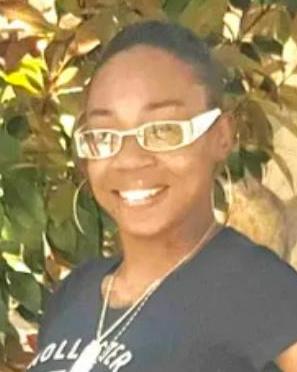
In the early morning hours of November 27, 2017, police were called to the Oxford Inn on Lincoln Boulevard in northeast Oklahoma City to investigate a disturbance. Inside one of the motel rooms, they discovered the body of 31-year-old Brooklyn BreYanna Stevenson, a Black transgender woman. The scene indicated a violent struggle, and the trauma to her body was immediately recognized by investigators as being consistent with a homicide.
News of her death sent a wave of grief and fear through the local LGBTQ+ community, coming just a week after the Transgender Day of Remembrance. Her family, utterly heartbroken, remembered her as an amazing daughter, sister, and friend with a giving and loving heart.
Friends recalled Stevenson as a vibrant and talented person, skilled in hair, makeup, and fashion, who lit up a room with her presence. They spoke of the challenges she faced and how hard she was working to establish her identity and her place in the world. As the investigation began, no immediate arrests were made, and the motive behind the killing was unclear, leaving many to wonder if her identity as a transgender woman had made her a target. The uncertainty amplified the community's sorrow and calls for justice.
Weeks later, a tip from a witness led investigators to a suspect. On December 21, 2017, police arrested 31-year-old Brandon Michael Tyson, a member of the Aryan Brotherhood, a white supremacist group. He was charged with the first-degree murder of Stevenson. Tyson initially claimed he shot Stevenson after she attacked him, but prosecutors found no evidence to support a struggle and stated that the two had engaged in sexual activity before the shooting.
In February 2019, Brandon Michael Tyson pleaded guilty to the murder. During the sentencing in April, the judge called him a 'liar, a thief, and a murderer' and a 'danger to the public' before sentencing him to life in prison without the possibility of parole. Tyson's defense attorney attributed his actions to drug addiction and expressed his client's remorse. Stevenson’s mother, Vivian, spoke in court, conveying the immense pain of burying a child and explaining that she did not wish for the death penalty because she didn't want Tyson's parents to endure the same suffering. While authorities did not officially classify the murder as a hate crime, the conviction brought a measure of legal closure to a case that had deeply affected many.