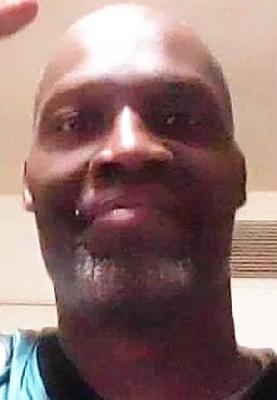
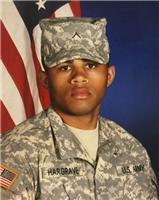
Joshua Francis Seavert was a 32-year-old white male from Lawton, Oklahoma, whose life traced a path from a close-knit hometown childhood to Army service overseas and back again to the streets where he had grown up. Born on February 15, 1986, he came into a large family rooted in Lawton, went through the local schools, and graduated from Lawton High School in 2005, the kind of kid who stayed surrounded by siblings and extended relatives even as he began building a life of his own.
Soon after high school, Joshua married Amber Hazlett on an autumn day in 2005, and within months he had also committed himself to military service, enlisting in the U.S. Army in November of that year. He completed basic training at Fort Knox and went on to serve two tours in Iraq before being discharged in 2012, coming home not just as a son and husband, but as a combat veteran who had spent much of his twenties in war zones half a world away. Back in Oklahoma, his life revolved around family: he and Amber were raising three children—Aliana, Joshua Jr., and John—and relatives remember him as the kind of man who blurred the lines between brother, uncle, and best friend. One niece wrote that he had grown up in her home and felt more like a sibling than an elder, the one who teased, protected, and listened, and who seemed to collect people into his circle and treat them as family once they were there.
By the winter of 2019, Joshua was living once more in Lawton, working, parenting, and balancing the ordinary pressures of adulthood with the invisible weight that often follows soldiers home. Friends and relatives describe him as someone who loved easily and fiercely, a man who could make a room feel lighter just by walking into it, and who was always ready with a joke, a bit of advice, or a shoulder to cry on. It was an unremarkable Tuesday in late January when the trajectory of his life—and that of everyone who loved him—was violently altered.
In the early hours of January 29, 2019, just before 3 a.m., a frantic call reached Lawton dispatchers from a house near the intersection of Jesse L. Davenport Avenue and Southwest Bishop Road. The caller told 911 that her boyfriend and her brother had both been shot inside the home. Responding officers arrived to find two wounded men at separate locations along the street, evidence that at least one victim had fled the house and run down the road in search of help while the other remained closer to where the gunfire erupted. Both men were rushed to the hospital; Joshua would not survive his injuries, pronounced dead not long after arriving. The second victim was reported to be in the hospital in unknown condition, and the quiet residential stretch of road where the shooting occurred was quickly transformed into a crime scene marked by patrol cars and investigators’ flashlights probing the dark.
As detectives began piecing together what had happened, accounts from witnesses at the scene helped point them toward a suspect. That same day, the Lawton Police Department publicly identified a man named Johnny Ray Jones as the person they believed had shot the two men. At the time, authorities warned that he should be considered armed and dangerous and noted that he already had outstanding misdemeanor warrants from the previous year. Later that afternoon, the search ended in the small town of Cyril, where troopers with the Oklahoma Highway Patrol located Jones and took him into custody, bringing an abrupt close to the manhunt that had unfolded over the course of the day.
Booking records from Comanche County list multiple charges tied to that January 29 incident, including first-degree murder, reckless conduct with a firearm, possession of a controlled substance, and driving with a canceled or suspended license, all with offense dates matching the morning Joshua was killed. Publicly accessible online sources, however, grow quiet after the initial arrest: there is little readily available information about later court proceedings, any plea negotiations, or a final verdict. To those on the outside looking in, it leaves the story feeling suspended mid-sentence—there is a named suspect, documented charges, and an arrest, but no clear public record of how the justice system ultimately resolved the case.
For Joshua’s family, the legal details sit atop a deeper wound that cannot be measured in docket numbers or headlines. In the days after his death, relatives organized a fundraiser to help with funeral costs and support his children, describing him as someone who never met a stranger, who defended his country overseas and then came home to devote himself to his kids and his extended family. Funeral services with military honors were planned in Lawton, a final gesture of respect for a life that had moved from neighborhood streets to distant battlefields and back again, only to end in violence on a quiet winter morning not far from where it began.