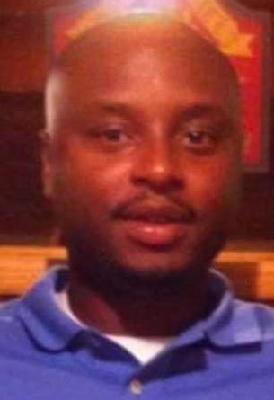
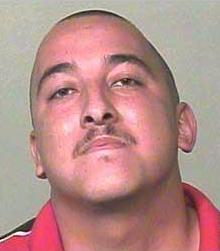
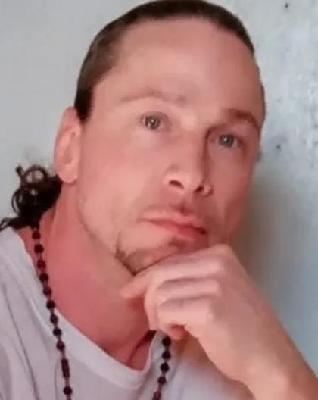
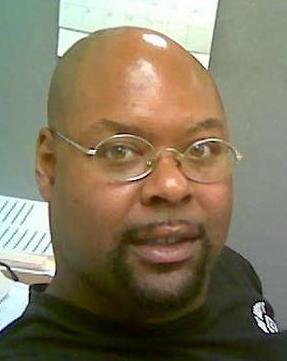
On the evening of February 24, 2019, in a quiet stretch of southwest Oklahoma City, an argument inside a home near Southwest 35th Street and Western Avenue spiraled into the kind of violence that cannot be taken back. Police were called just before 6 p.m. to reports of a disturbance at the address; by the time officers arrived, 43-year-old Shane Bonitz lay mortally wounded from gunfire, and the house that had been filled with raised voices was suddenly filled with crime-scene lights instead.
The story that emerged in the hours and days that followed centered on a family conflict that escalated far beyond harsh words. Investigators learned that the confrontation was between Shane and an older relative, identified in later case summaries as his uncle, Gerald Wayne Guinn, at Guinn's residence on South Western Avenue. What began as an argument grew increasingly heated, described in reports as a “heated” or “shouting” exchange that spilled out around the property. At some point during that confrontation, Guinn retrieved a firearm. When the shouting stopped, Shane had been shot, and responding officers found him already beyond saving, pronounced dead at the scene where only minutes earlier he had been arguing with someone he had known his whole life.
From the beginning, detectives had more than one version of what happened. In Guinn's account, later summarized in case write-ups, he said he fired because he feared for his safety, claiming that Shane was trying to unlawfully force his way into the home. Investigators, however, treated the shooting as a criminal homicide, securing the house, documenting the physical layout and the location of shell casings and other evidence, and interviewing neighbors who had heard the commotion and the gunshots. That same night Guinn was taken into custody and booked into the Oklahoma County jail, initially on a complaint of possession of a firearm after former conviction of a felony, a charge that reflected a prior criminal history rather than the full gravity of what had just happened on his front step. Prosecutors in the Oklahoma County District Attorney's Office were left to decide how the shooting itself would be charged, weighing Guinn's self-defense claim against the evidence gathered at the scene.
In the months after Shane's death, the case moved from the street and the police interview rooms into the formal setting of the courthouse. Public court dockets in Oklahoma County list a felony case naming Gerald Wayne Guinn as the defendant and identifying the charge as first-degree murder under state law, a reflection of how seriously the state chose to view the killing once the investigative work was in prosecutors' hands. Online case summaries continue to track the matter years later, noting the long arc of hearings, motions, and other proceedings that followed the night Shane died. For Shane's family, the bare language of those entries—disturbance, argument, gunshot wound, homicide charge—marks the official record of a loss that began with a family dispute on a Sunday evening and ended with a loved one lying under a sheet in his own hometown.