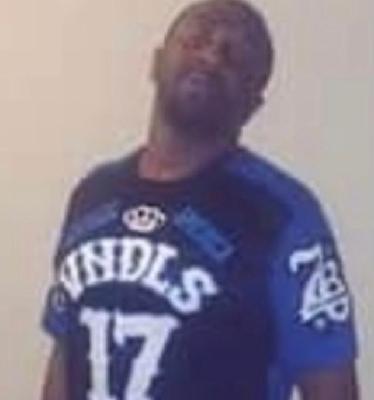
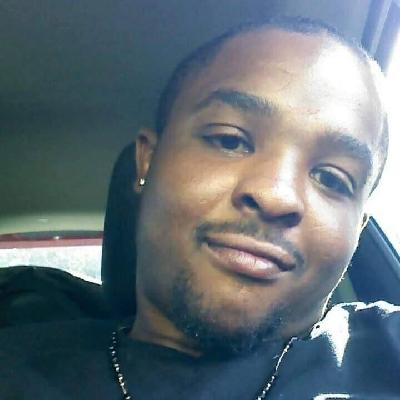
On the late morning of August 11, 2021, Tulsa police were called to 8400 South Toledo in a quiet south Tulsa neighborhood after reports of a man lying in the roadway covered in blood. When officers and EMSA arrived, they found 28-year-old Joseph Ervin Brown, a Black man, in the street with a gunshot wound to his upper torso. Paramedics pronounced him dead at the scene, and detectives quickly marked off the residential block near the busy 81st and Yale corridor as they began treating the case as
a homicide. It was recorded as Tulsa's 32nd homicide of the year, a killing that seemed all the more jarring because of the way Brown's body had been left out on the pavement in broad daylight.
From the outset, investigators focused on reconstructing the final moments before Brown's body was discovered. Patrol officers canvassed the neighborhood, talking with residents who had seen or heard something unusual that morning, while detectives worked to obtain and review surveillance video from homes and businesses nearby. Footage captured a newer white Toyota Corolla moving through the area around the time of the shooting, and the car quickly became central to the investigation. The videos, paired with witness accounts from neighbors, pointed detectives toward a specific vehicle and the person believed to have been behind the wheel when Brown was shot and then left in the street.
A break in the case came through an emergency call from a worried mother. According to later reports, she phoned 911 because her son was suicidal and provided officers with detailed information about him, including a description of his car. When a responding officer later spotted a vehicle matching that description, the driver sped away, and no chase was initiated, but the encounter and the car details were passed along to homicide detectives. Comparing that information to the vehicle seen in the neighborhood where Brown had been killed, detectives realized they were likely looking at the same car. A search warrant allowed them to examine the Toyota, where they reported finding a magazine, rounds of ammunition, and blood on the seats, physical details that reinforced their belief that the vehicle had been used in the killing and in transporting Brown's body before it was dumped on South Toledo.
Detectives ultimately identified Brayden Blough as the man they believed responsible for the shooting. When they moved in to arrest him, they found him at his apartment along with a stolen vehicle and several other individuals, who were taken in for questioning while officers focused on securing their suspect. Reports say Blough did not comply with officers' commands and had to be forced to the ground before he could be handcuffed. He was booked into the Tulsa County jail on a complaint of first-degree murder, as well as counts related to possession of a stolen vehicle and resisting or obstructing officers. Police publicly stated that they believed he was the person who shot Brown and left him in the south Tulsa street, a characterization echoed later when court records described him as the defendant in the homicide case State of Oklahoma v. Brayden Blough, in which he stood accused of shooting and killing Joseph Brown and dumping his body on the roadway.