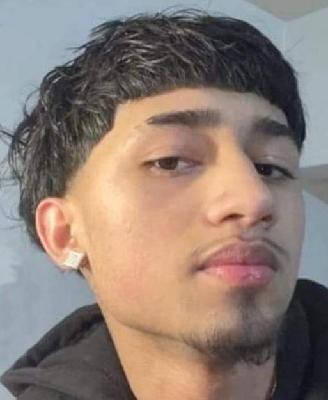
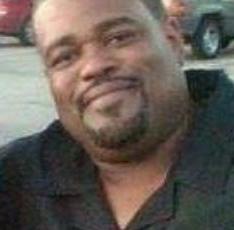
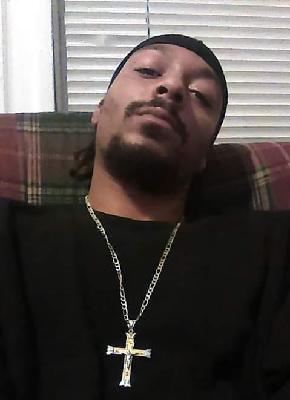
Thomas Elroy Buntrock, a 43-year-old White/Caucasian male, was serving as chief of the Mequon Police Department when a robbery and hostage crisis ended with his death on December 2, 1979. Buntrock had served with the department for approximately 19 years and was among the officers responding after an armed suspect fled a service-station robbery in the Thiensville-Mequon area. The suspect was identified as 19-year-old Milwaukee resident Anthony Tracy Johnson.
The confrontation began after Johnson, reportedly driving a stolen vehicle, robbed a service station of approximately $600. Contemporary accounts said he attempted to take the station attendant hostage but fled, setting off a police pursuit. Johnson subsequently took Douglas Bartley and Bartley's two-month-old daughter hostage. As officers surrounded the situation, Buntrock chose to personally intervene and negotiated for the release of the two hostages by offering himself in their place. Johnson accepted the exchange, freeing Bartley and the infant while taking the police chief hostage instead.
Johnson entered the rear of Buntrock's squad car and forced the chief to drive. The vehicle was eventually stopped near a police roadblock, not far from the place where the civilian hostages had been released. Officers from Mequon and Ozaukee County closed in on the car while Buntrock remained inside with the armed suspect. What followed happened within seconds: a struggle developed inside the vehicle and several shots were fired. Initial news accounts reported that Johnson had shot Buntrock during the confrontation, and some early descriptions stated that police then opened fire on Johnson. Those first reports, however, did not accurately identify the shot that killed the chief.
Ozaukee County District Attorney James LaPointe subsequently conducted an investigation that substantially changed the official reconstruction. Investigators determined that Johnson was fatally shot with his own. 38-caliber handgun during the struggle inside Buntrock's squad car. Mequon Patrolman Paul Schauer then approached the vehicle. After hearing a gunshot from inside and believing Johnson was firing at Buntrock, Schauer fired a. 270-caliber rifle through the rear window toward the head he could see. The district attorney concluded that Schauer's bullet struck and fatally wounded Buntrock. The chief therefore died from friendly fire during the attempt to rescue him from the armed hostage taker rather than from a shot fired by Johnson.
Johnson already had serious criminal proceedings pending before the events that day. Contemporary reports said he had pleaded guilty to first-degree sexual assault in September 1979 and had been sent to the Winnebago Mental Health Institute for examination. He was later placed in a drug-treatment setting and reportedly fled within days. By December 2, he was described as a fugitive when the service-station robbery, pursuit and hostage crisis unfolded. Because Johnson died during the struggle in the squad car, he could not face prosecution for the robbery, hostage taking or the events surrounding Buntrock's death.
Available accounts do not report an arrest, criminal charge, trial or conviction against Patrolman Schauer in connection with Buntrock's death. The district attorney's investigation treated the fatal shooting as a tragic mistake made during an extremely confused and dangerous confrontation, when Schauer believed the armed suspect was shooting the chief. Johnson remained the central criminal suspect responsible for creating the deadly chain of events through the robbery, flight and hostage taking, but the later investigation established that the bullet that actually killed Buntrock was fired by a fellow officer attempting to protect him. Buntrock's death has since been commemorated as a line-of-duty death, including his inclusion in Wisconsin law-enforcement memorial records and the FBI National Academy Associates Hall of Honor.