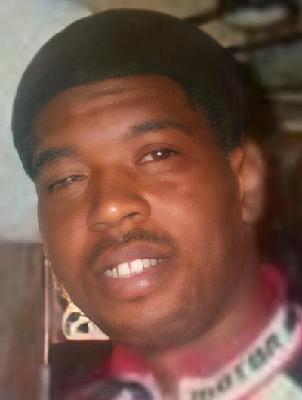
Melvin A. Perkins Jr., 32, a Black man from Milwaukee, was killed on September 14, 2022. That Wednesday evening, just after sunset, police were called to the neighborhood near North 19th Street and West Keefe Avenue, where they found a 32-year-old Milwaukee man fatally shot. The call came in around 7:15 p.m., and the scene quickly drew investigators and neighbors to the block as officers worked to secure the area and begin piecing together what had happened.
Early dispatches and local reporting identified the victim by name through subsequent memorial and obituary notices, marking the day his life ended and the mourning began for those who knew him.
Authorities said the circumstances that led to the shooting were still under investigation, and they asked anyone with information to come forward. The appeal underscored how little was publicly known in the immediate aftermath—no dispute described, no motive shared—only the precise place and time and a community shaken by yet another burst of gunfire. As weeks turned into months, open-source compilations of Milwaukee homicides continued to list the case with few additional details, reinforcing the picture of a killing that left questions unresolved.
Publicly available records and crime-tracking summaries place the location in the area of 3550 North 19th Street, aligning with early reports that fixed the scene near 19th and Keefe. Those same summaries noted the lack of specifics about the lead-up to the gunfire, and they documented the time window—shortly after 7 p.m.—when the fatal shots were reported. Community memorial pages and funeral notices that followed recorded his name and the date of his death, offering a place for remembrance while official channels focused on gathering leads.
As of the latest publicly accessible reporting, police had not announced an arrest, and the suspect or suspects remained unidentified. The department’s request for tips—by phone or through Crime Stoppers—stood as the most concrete public step in the hunt for answers, a reminder that the investigation persisted even as public updates were scarce. In the absence of an arrest, the story of that evening remains framed by a few firm facts and many unspoken details, with the hope that someone, somewhere, will help fill in what happened on that block and why.